
The South House Silver Workshop Trust – Skills for a silver future
Half-way up the Shetland archipelago, 300 miles north of Edinburgh, sits the coastal village of Brae, population 750.
Historically, the people of Brae made their living from fishing the cool, deep waters off the west coast of Shetland, but looking out onto Busta Voe today, you notice the absence of the large commercial fishing boats that form Shetland’s pelagic fleet.
Instead, the inlet, which laps against the shores of Muckle Roe to the east and Brae to the north, is home to a dozen or so rope grown mussel farms. In the history of Shetland’s oldest industry, these farms are a relatively new addition – established by fisherman Michael Laurenson at a time of uncertainty and turmoil within the white fish trade, which his family had been part of for generations.
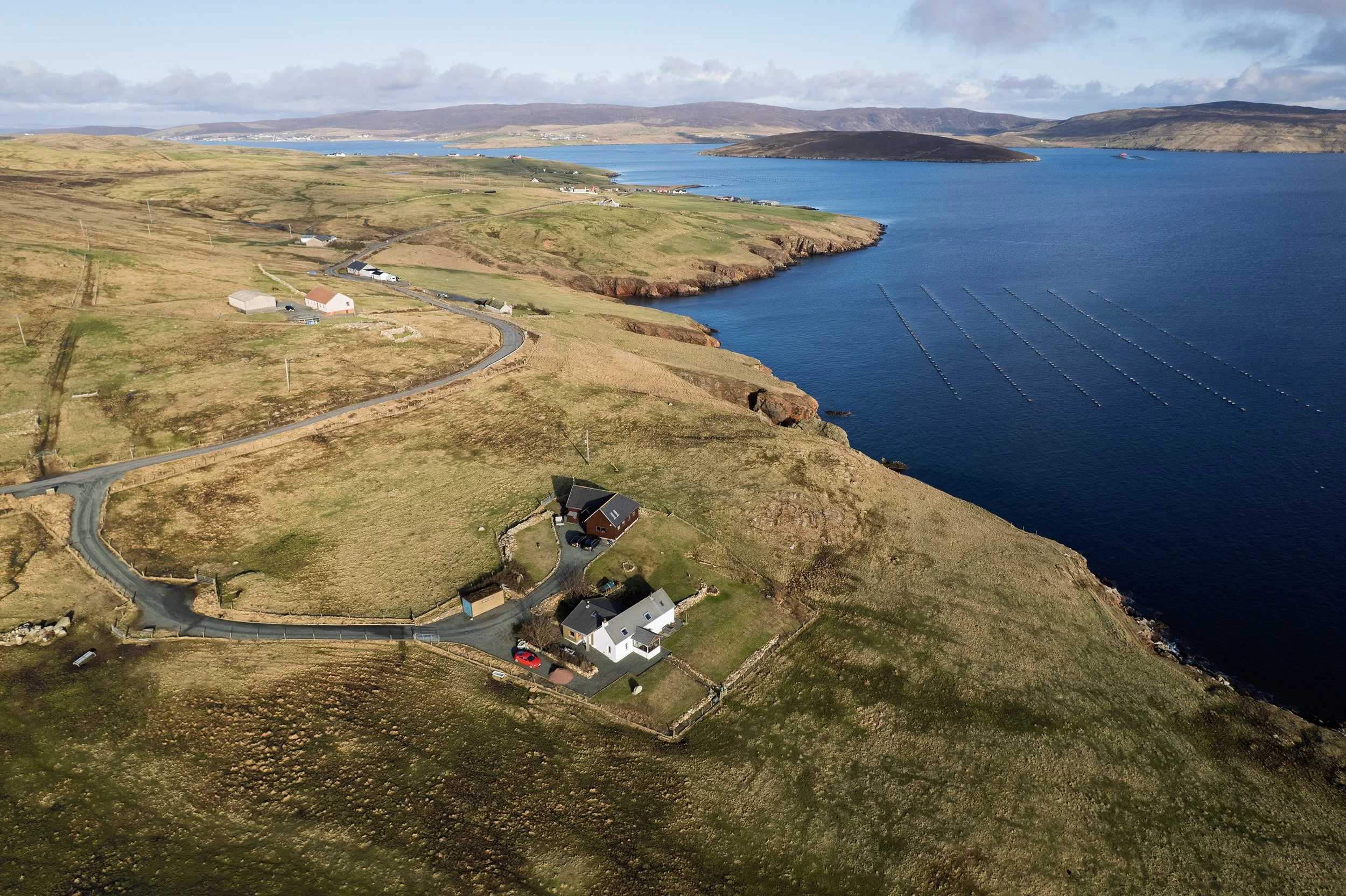
Laurensen’s business, Blueshell Mussels, which began with one line and two rafts in 1997, today employs more than 50 people across their boats and in their processing factory. This slower, gentler, more sustainable form of aquaculture which must have felt like a huge risk 30 years ago, now contributes close to £10m a year to the Scottish economy, with more than 80% of Scotland's mussels grown in Shetland. The demands on the industry changed, and the fishers of Brae changed to meet them.
Across the bay, under towering red rock, plots of agricultural land containing small farmhouses, roll down to the sea. These smallholdings, known as Crofts, traditionally provided subsistence and income from small scale farming. Today, they are intermittently inhabited by herds of Shetland cattle, staked out with neatly planted rows of vegetables, or left to pasture by residents who enjoy this remote part of the British Isles for its isolated beauty, rather than its fertile soil.
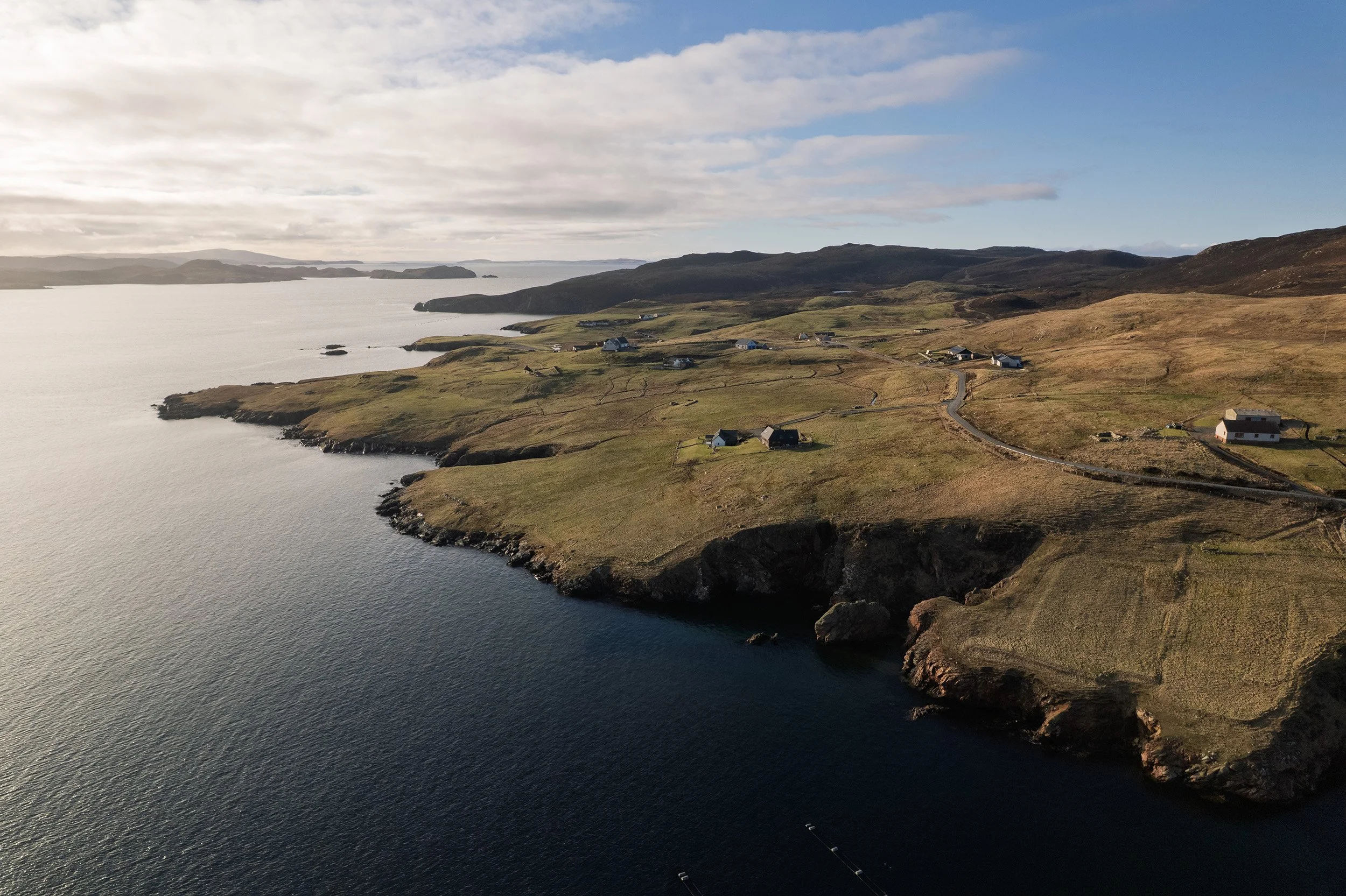
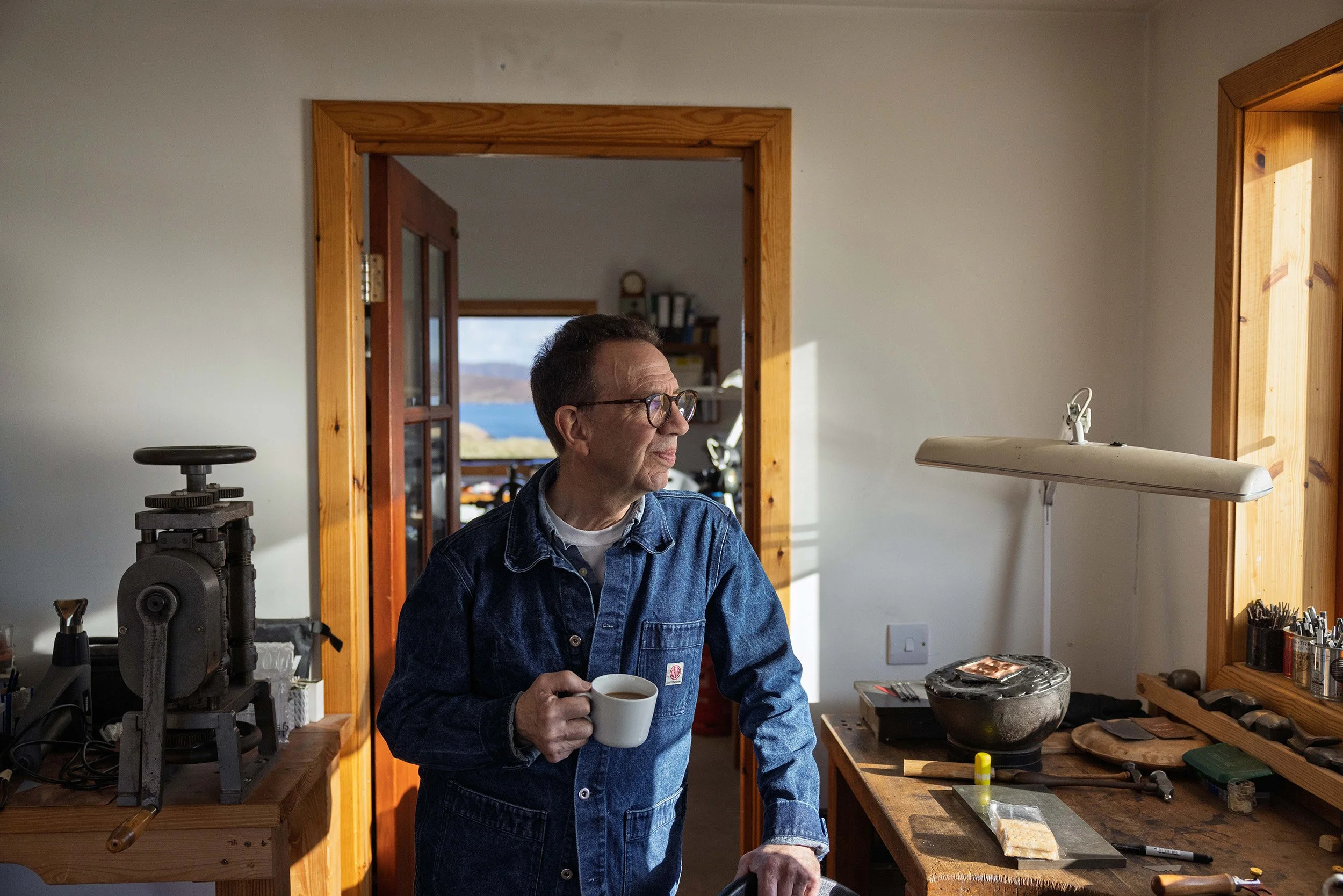
“We were up here on holiday with our boys, found this little run-down croft house for sale and just got taken away with the whole thing.” silversmith Rod Kelly tells me over the phone from Shetland. “Over the next eight years or so I renovated and restored it, undertaking most of the work myself. I’d come up quite often, bringing small pieces of silver work and a few tools with me, and then sit in the living room doing a bit of decorative chasing. I didn’t have a torch, a bench or any of the tools you really need to be a silversmith. The more time I spent here, the more those things became necessities, not just for me, but so that others could visit, learn, and further develop their skills as silversmiths.”
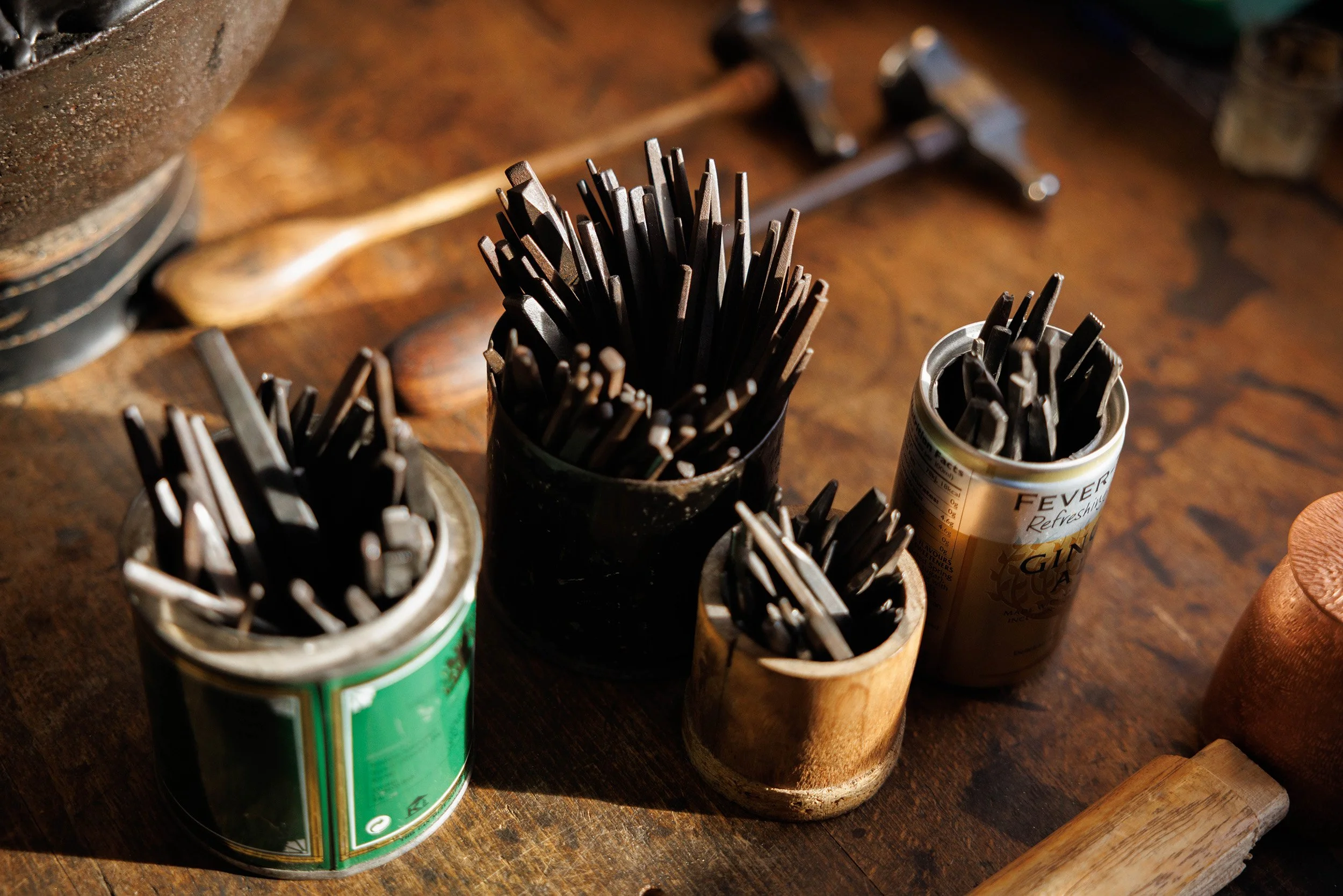
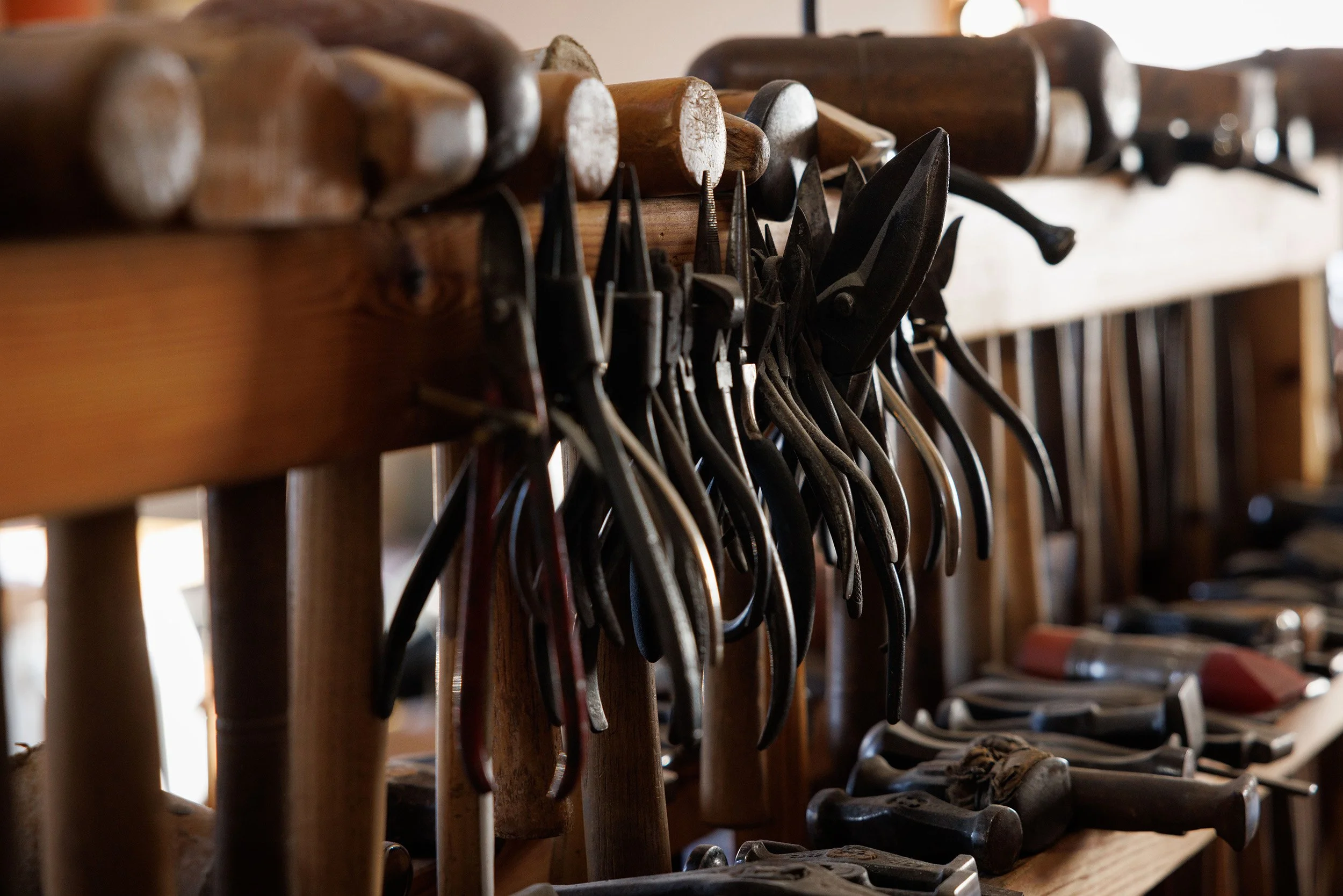
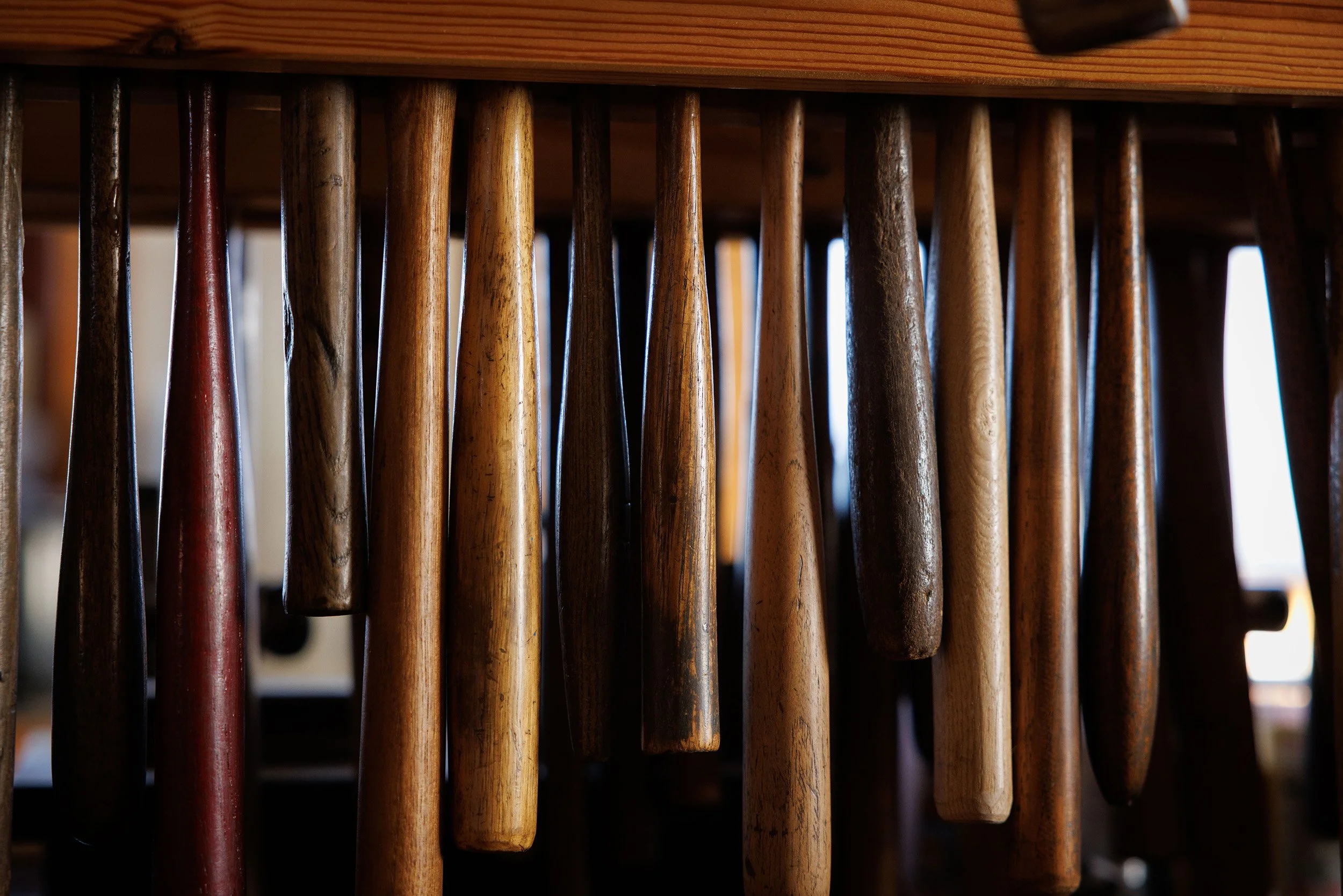
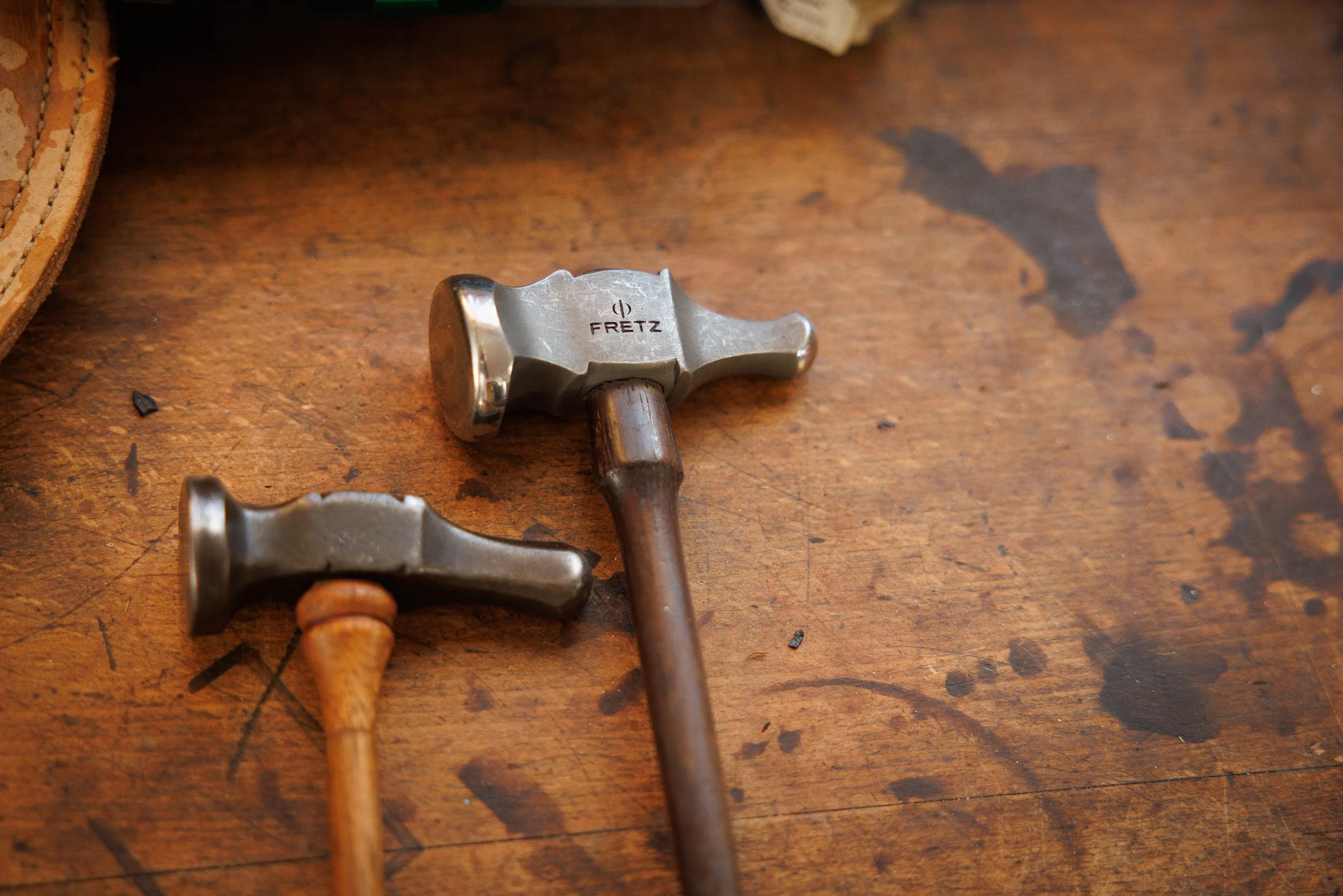
In 2013 Rod received a grant from the Shetland Islands Council to build what would become the South House Silver Workshop, and with the support of four trustees, founded a trust to support the next generation of silversmiths through training, development, and mentorship in a residential setting.
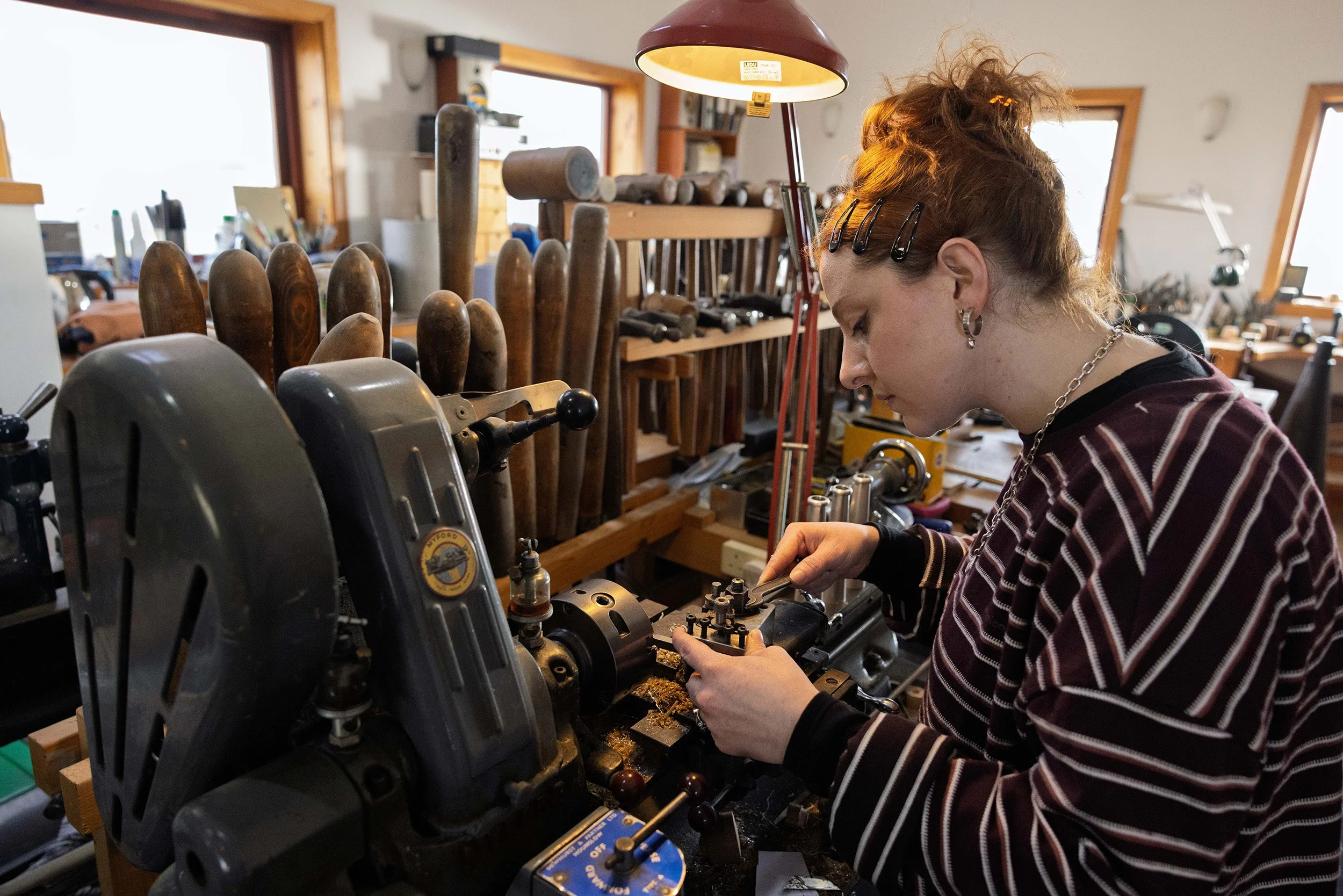
The L-shaped timber and slate structure sits uphill from Rod’s croft house. It contains a purpose-built silversmith’s studio where up to six people can comfortably work and learn together, and a small self-contained apartment for the trust’s residential scholars, who stay in Shetland for a month or longer.
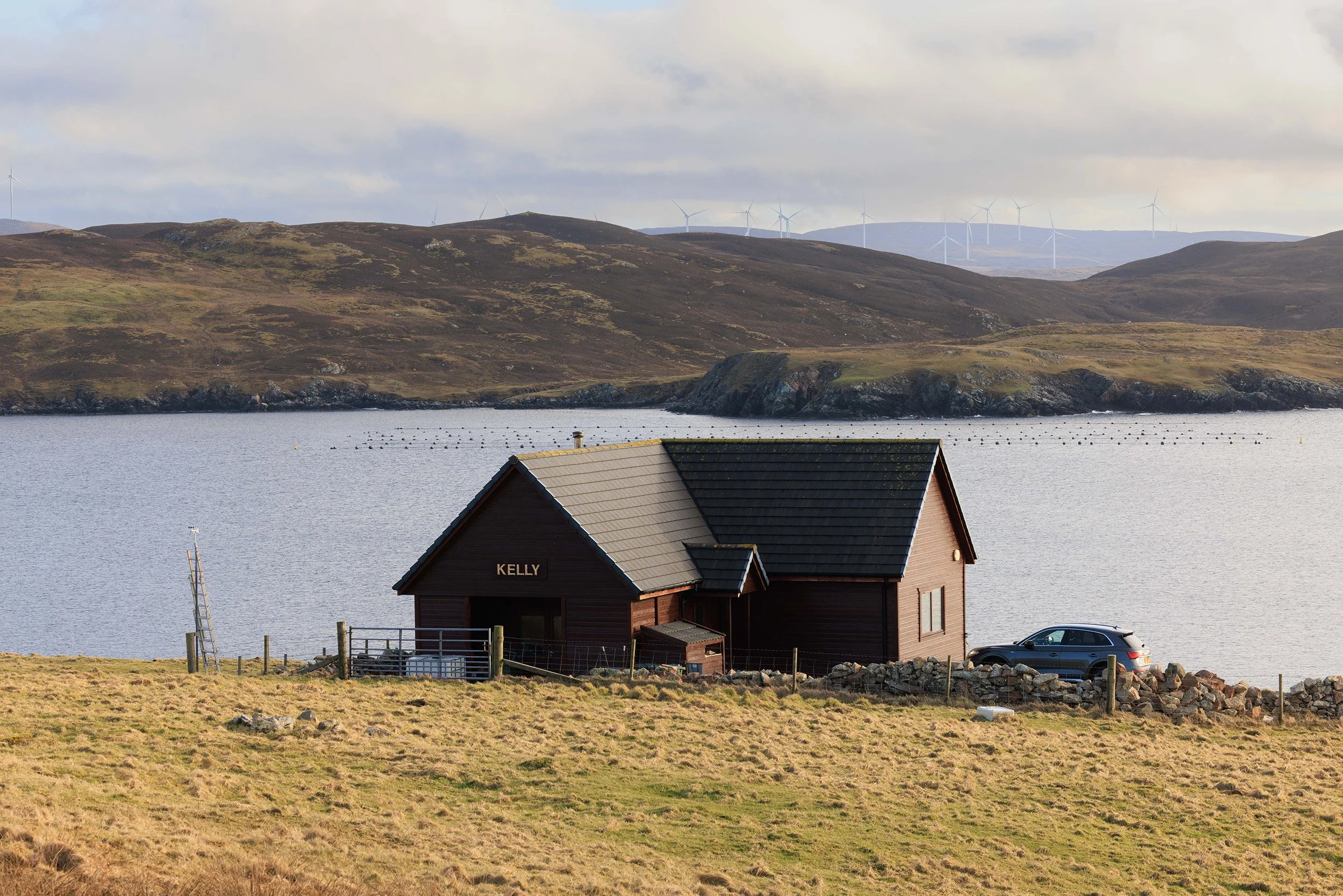
“You can’t learn new skills in hours or days. Bombarding people with technique and instructions does not work. It takes times. Learning a craft and learning it well is a slow process. I have been able to make the pieces that I have over the last 40 years, not because I’m smarter, or cleverer than anyone else, but because great silversmiths like John Bartholomew, Gerald Benny, and Ian Calvert spent time giving me a hands-on, practical, education in silversmithing and business. In higher education, courses like the MA that I attended at the RCA no longer exist, but through the Trust, and the scholarships that it offers, we're passing on as much of that education as possible to the next generations of silversmiths.”
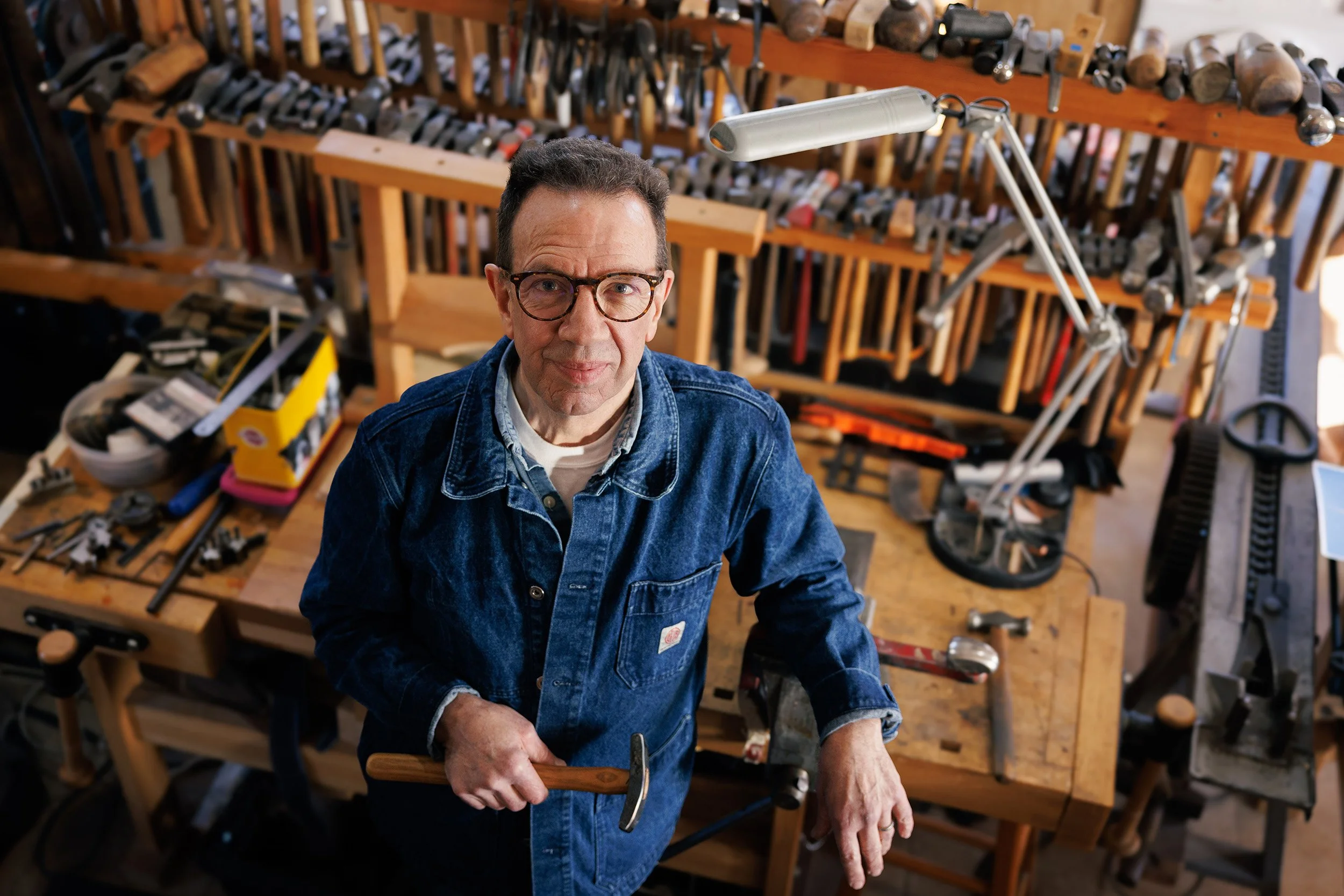
Through support provided by The Goldsmiths’ Foundation, The Goldsmiths’ Centre, The Clothworkers’ Company, The South Square Trust, The Radcliffe Trust and several anonymous donors, South House is able to offer intensive residential placements with Rod in Shetland, or with Brett Payne and Chris Perry in Sheffield. The scholarships which cover raising, chasing, engraving, soldering, forging, hinge making and hammer work along with discussions on design, marketing and selling, include accommodation, the cost of travel and a subsistence bursary, allowing recipients to focus entirely on their training, without having to worry about the financial pressures of the outside world.
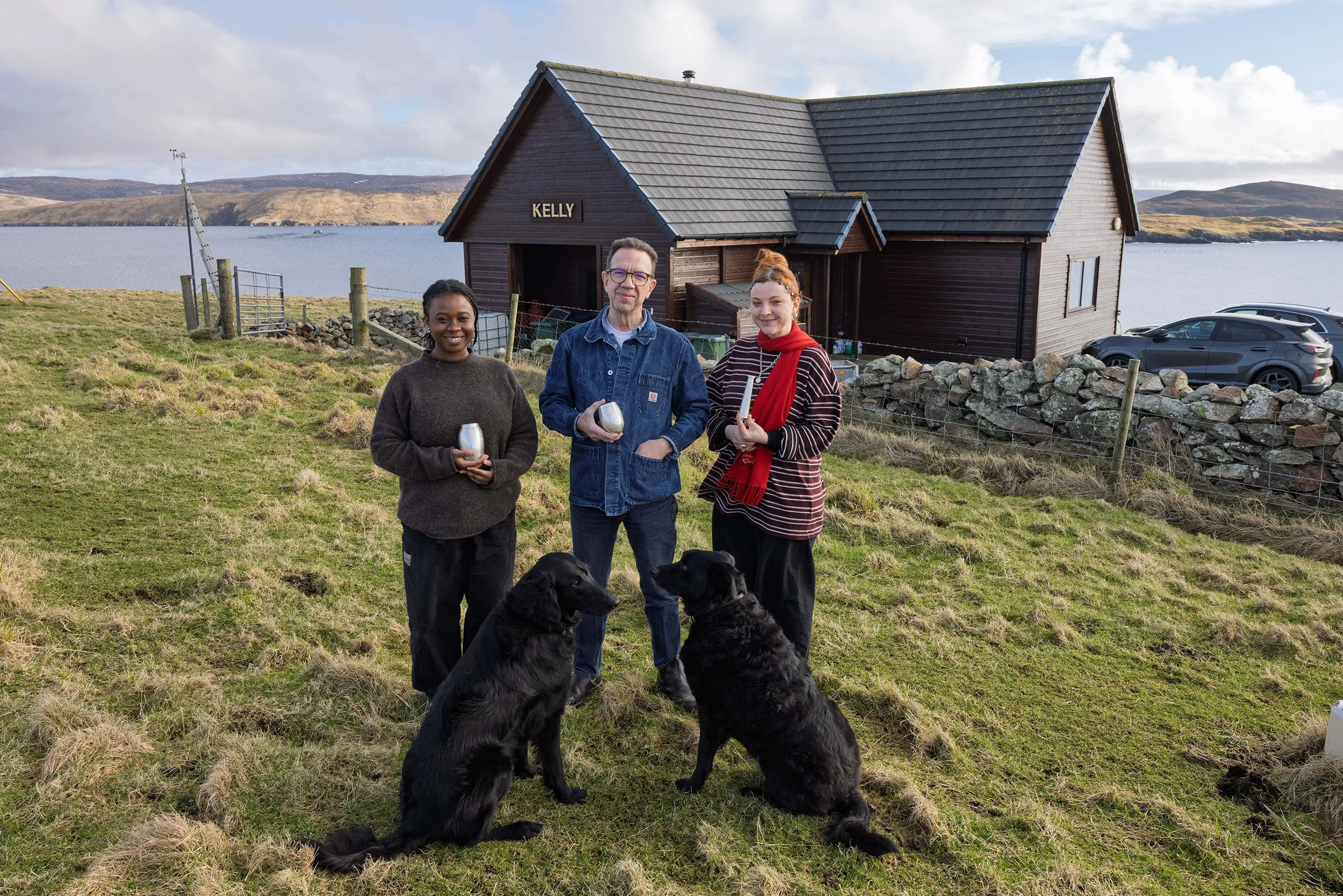
Since its inception the Trust has helped to further the training of dozens of young craftspeople, including Alice Fry, Sheng Zhang, Mansi Depala and Lucinda Nims (who have all exhibited at Goldsmith’ Fair). At the time of photographer Ben Mullay’s visit, silversmiths Francesca Onumah and Abigail Asher were completing their one-month scholarships with Rod as part of the most in-depth transfer of silversmithing knowledge currently available outside of a traditional apprenticeship in the United Kingdom.
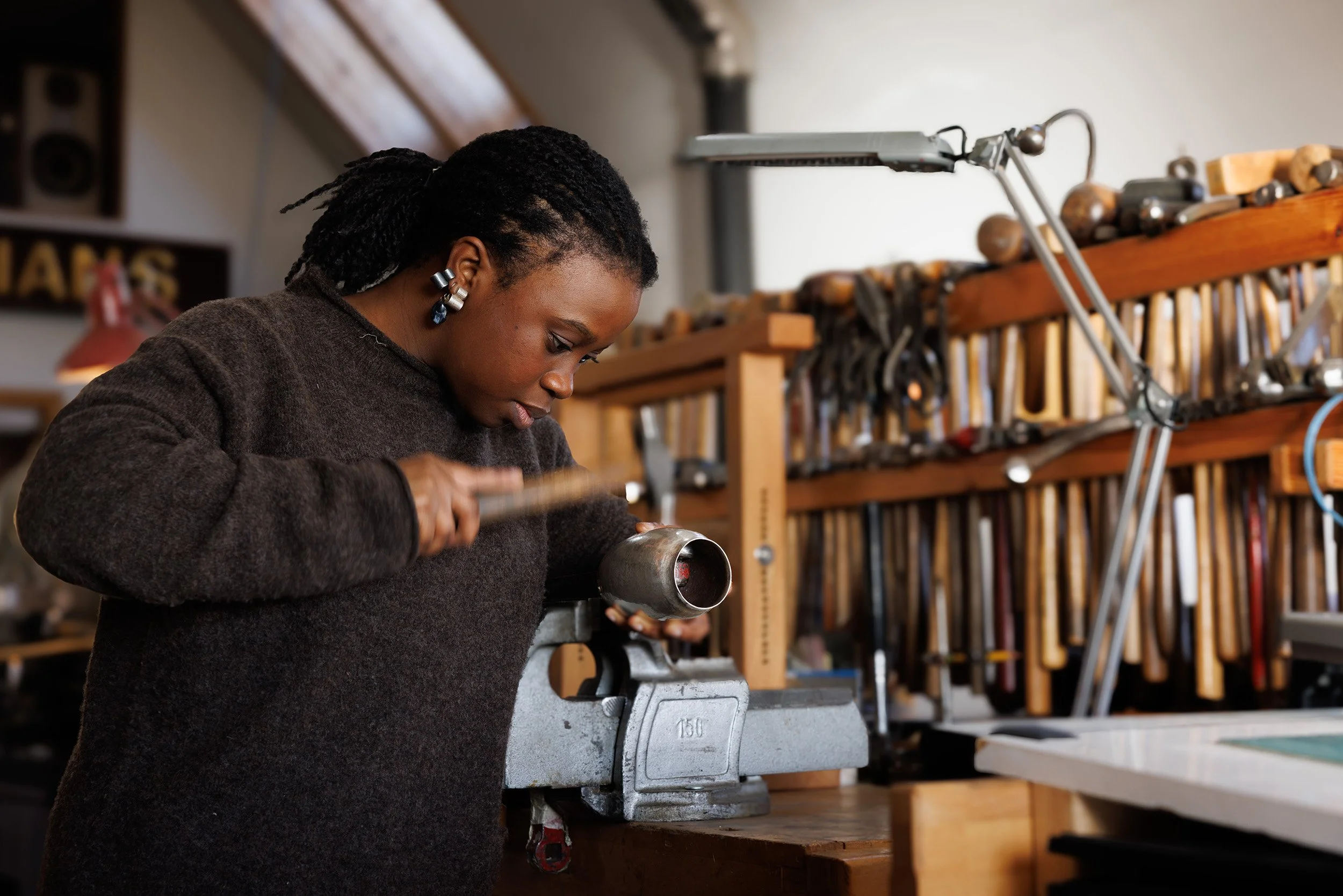
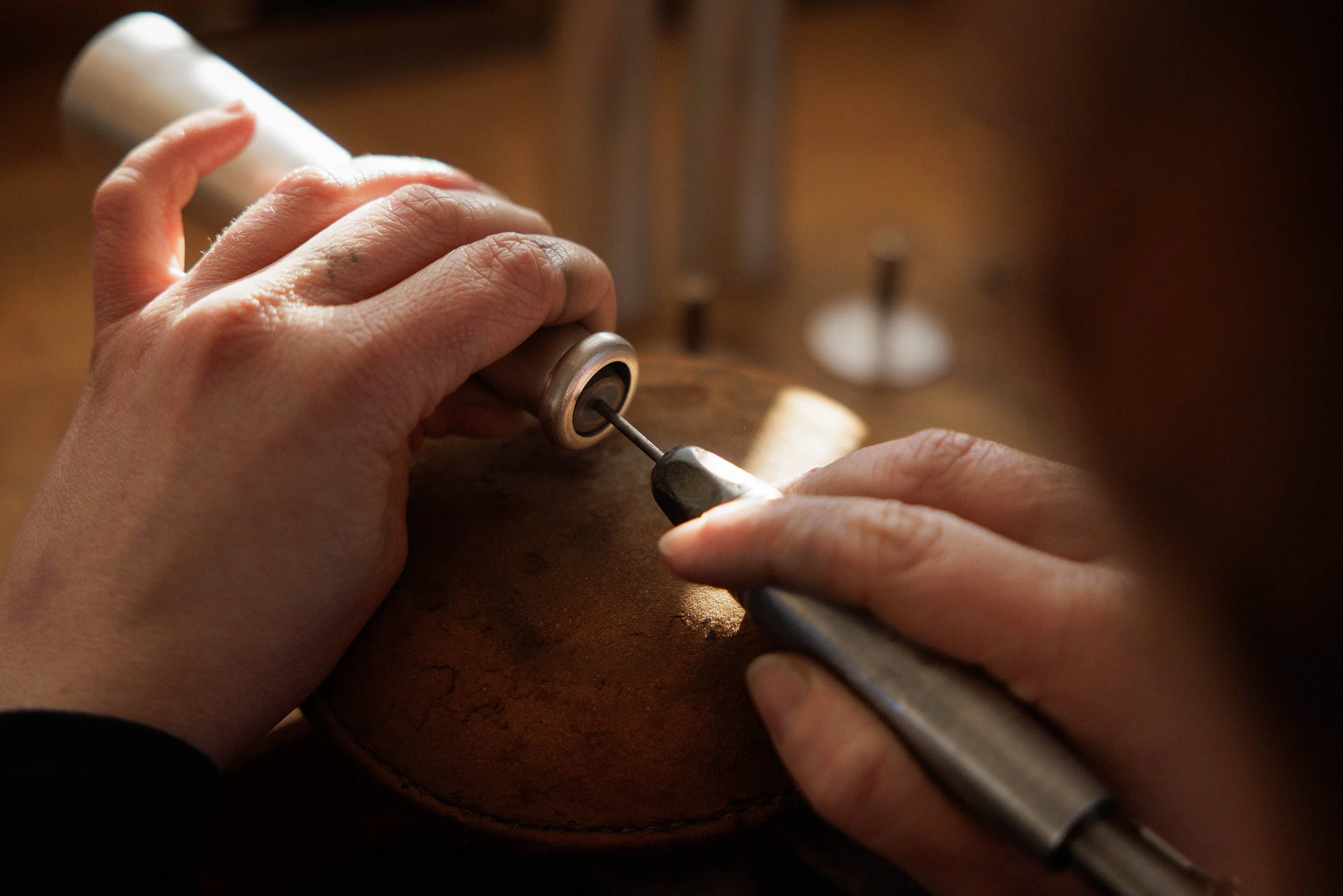
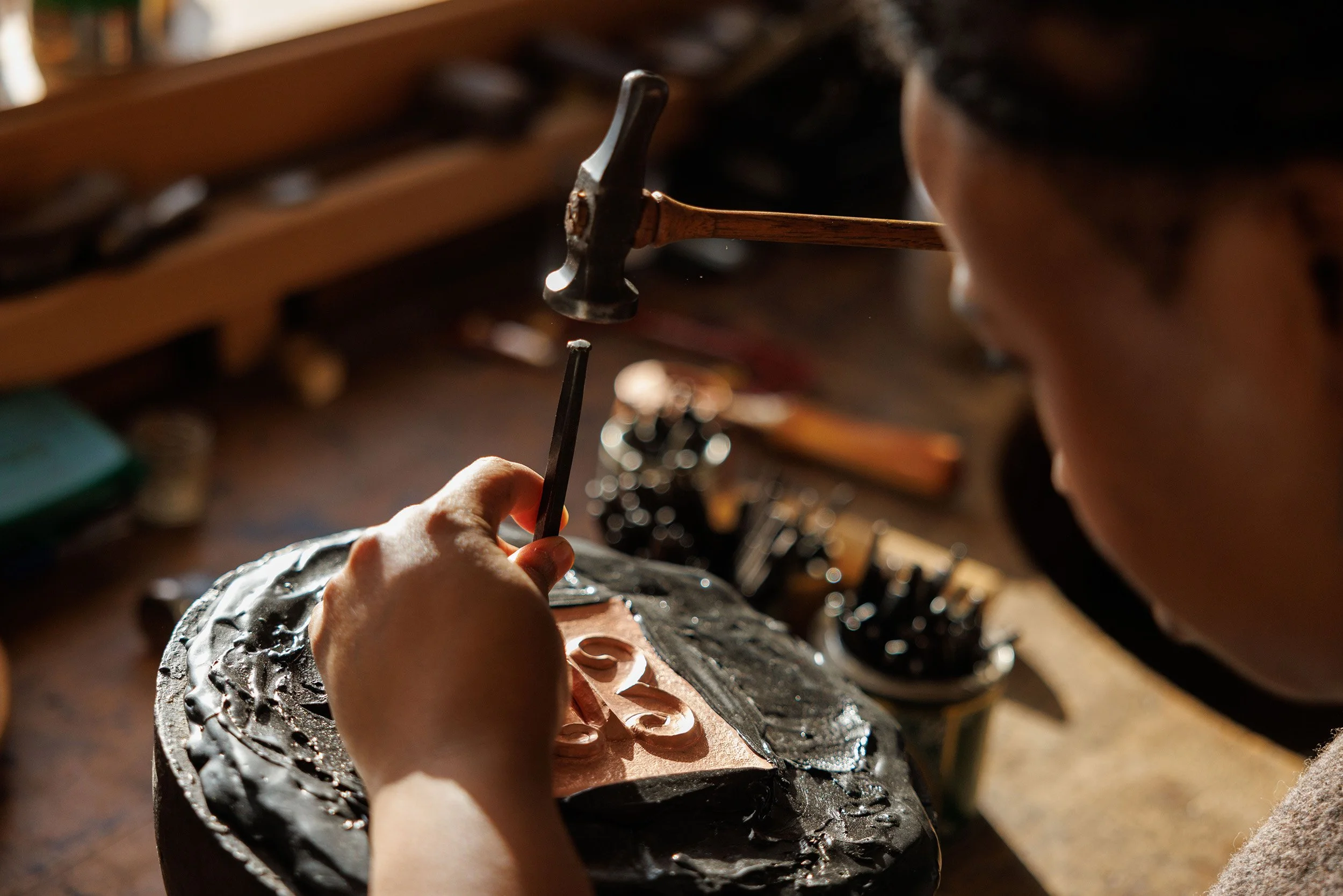
Despite the huge amount time, energy and effort that Rod and his partners have put into the Trust, it’s clear that they remained concerned about the future of the trade, and as we wrap up our conversation, and Rod heads off to make another cup of strong builders' tea, a burning question hangs in the air – have we, as an industry, done all that we could to embrace change, taken the necessary risks, and made the right choices to ensure the future of silversmithing?
On the sparkling waters of the inlet below, one of Laurenson’s boats tends to the six thick lines of the nearest mussel farm. Gulls pitch and turn overhead, soaring above the proof that by embracing change, engaging with risk, and developing new skills, an industry can adapt, survive and thrive even in the most turbulent of times. When it comes to our own trade and craft, the question remains, have we done enough? Only time will tell. But today, as things stand, Rod and his fellow trustees are doing what they can – sharing knowledge, experience and expertise; helping new generations of silversmiths develop the skills and confidence upon which an imaginative approach to the future can be built; and putting every effort into ensuring that contemporary silver has a place on our grandchildren’s tables, next to those steaming bowls of Shetland mussels.
Written by Chris Mann | Photography by Ben Mullay