
Jessica Jue – The Silver Canvas
“Every stroke of gold follows the previous one so it’s very much a build-up and layering of different linear details, and it’s almost unplanned for me. I apply one line, assess it, and then put on the next line. It’s about finding the right composition for it to come together.” For Goldsmiths’ Stories, writer Kate Youde speaks to silversmith and jeweller Jessica Jue about incorporating the ancient Korean technique of keum-boo into her practice, and the inspiration offered by organic forms and movement.
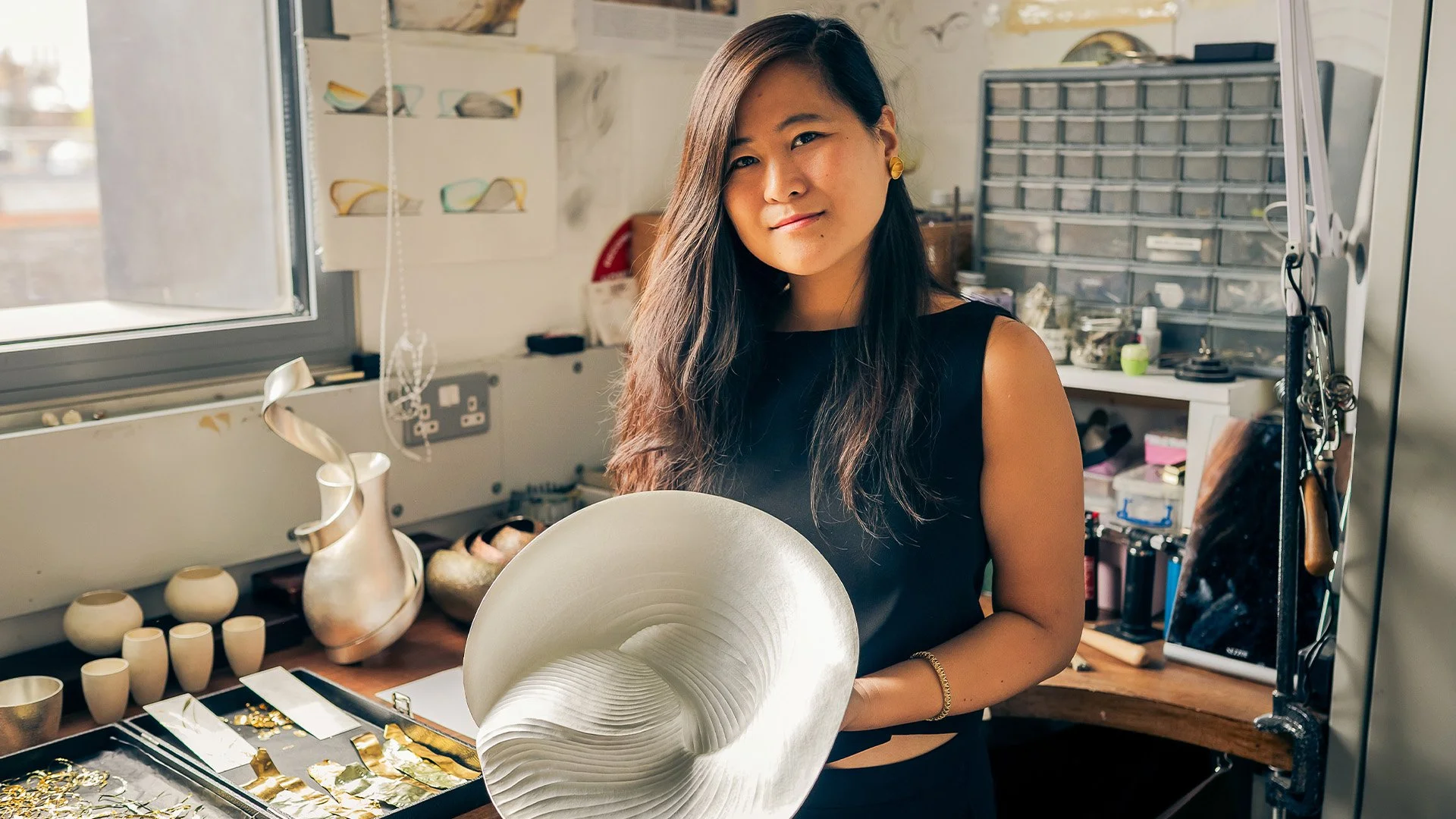
Jessica Jue approaches her silver vessels like a painter would a canvas, choosing from a palette of yellow and green gold to decorate the surface. “Every stroke of gold follows the previous one so it’s very much a build up and layering of different linear details, and it’s almost unplanned for me,” she says. “I apply one line, assess it, and then put on the next line. It’s about finding the right composition for it to come together.”
The silversmith and jeweller is describing her use of keum-boo, a traditional Korean gilding technique for fusing gold foil to silver. Jessica’s development of this process in recent years has marked an evolution in her practice, by introducing more colour to her work and enabling her to reflect her passion for painting through metal.
The eye-catching results have earned her acclaim: the Goldsmiths’ Company acquired her Whispering Reeds beaker in 2022; the V&A museum her Ever Flowing Sculpture, a large pebble-like form, the following year. But her work continues to evolve. She is now exploring other types of metal fusion and how to push her sculptural forms in a new direction.
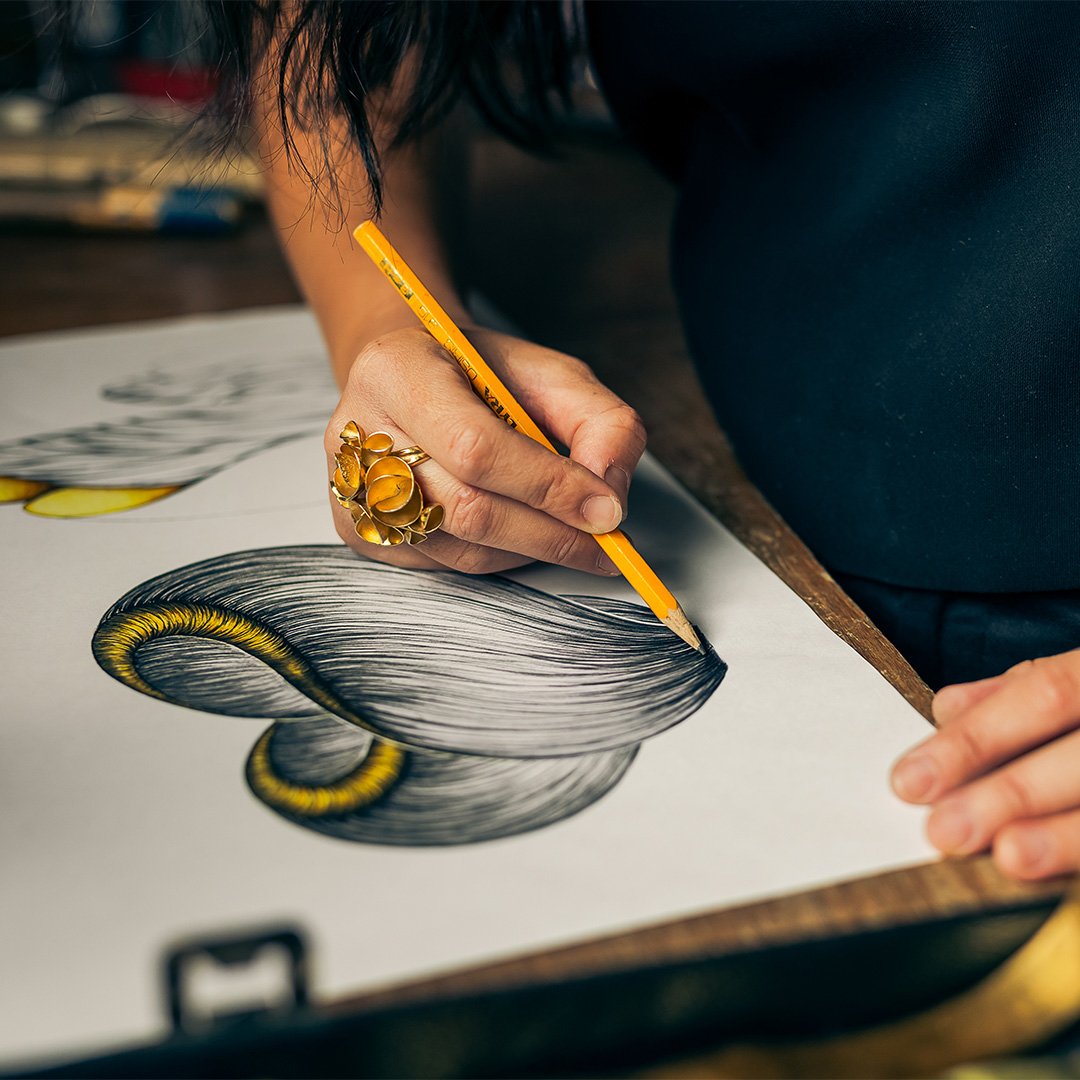
Of Chinese heritage, Jessica was born and raised in Austria. She enjoyed art as a child and had a teacher in school who nurtured her talent, encouraging her to explore her interest in Chinese landscape paintings through extensive research for her International Baccalaureate diploma. “There was lots on… how the lines tend to flow and the brushwork, and how leaving negative space within a painting or a picture can really accentuate the flow and the movement, the energy within the overall composition,” she recalls.
She carried this knowledge into her three-dimensional work. “It still contains that sort of quiet place within the piece,” she says, “and then you’ve got the detail and the energy and flow in another part coming through.”
Jessica explored different outlets for her creativity during a one-year art foundation course at Arts University Bournemouth, but always had jewellery in the back of her mind. Her father, a mentor in her creative journey, had started a jewellery business when he was younger. Although he ultimately pursued a different career path, he had a ready supply of coloured stones for Jessica to use.
She specialised in jewellery and silversmithing for her undergraduate degree at Edinburgh College of Art. It was during these studies in 2015 that a “life-changing” exchange programme cemented her interest in working on a larger scale. Her four-month stay in Tokyo included a month and a half shadowing the silversmith Mizuko Yamada, who taught her “figurative silversmithing” – raising a life-like form from a large sheet of metal. Jessica says that, while in the UK silverware has traditionally been associated with functional items, she found it to be “very much an art form” in Japan. “It’s also a bit of skill demonstration in terms of how far you can push the metal,” she says.
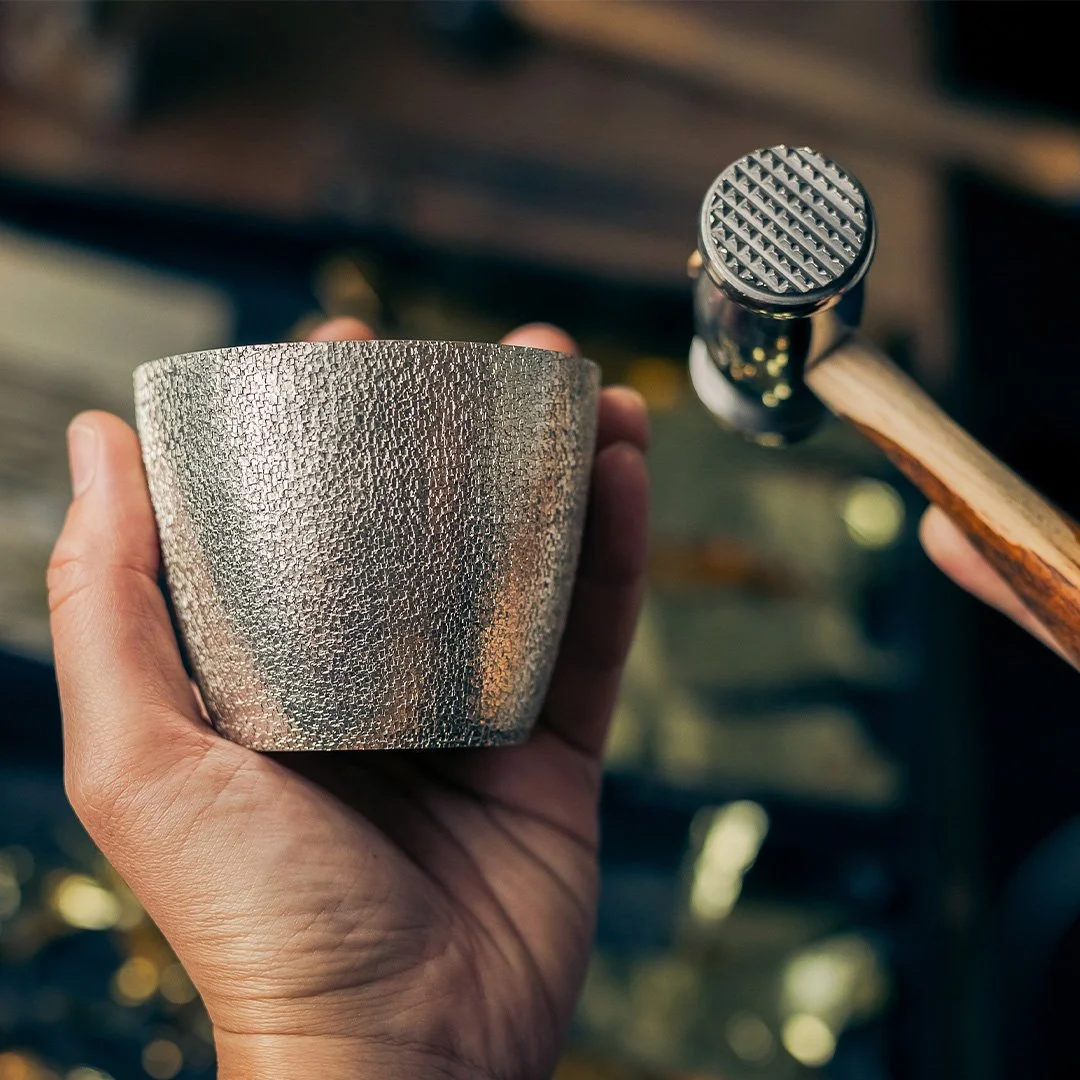
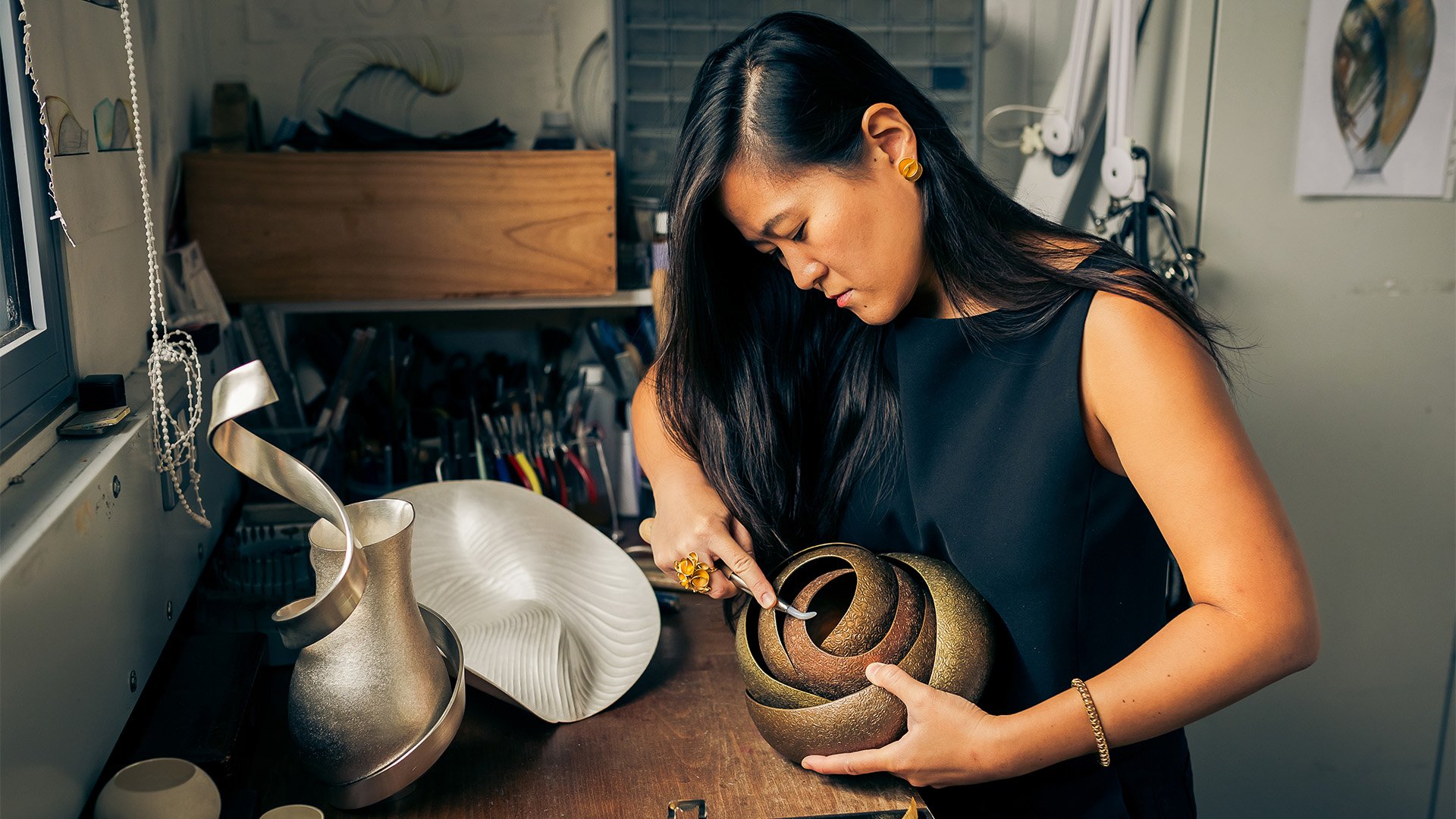
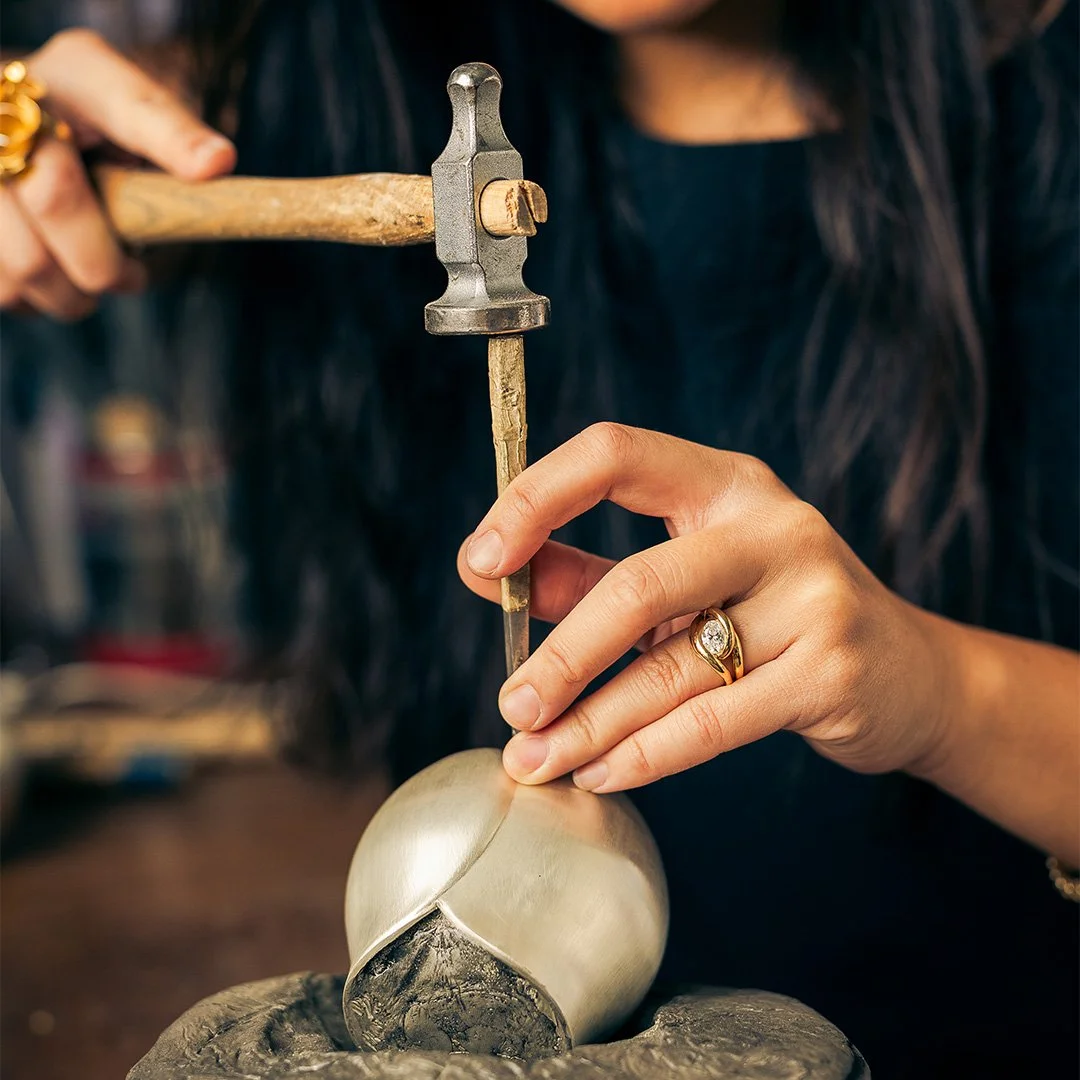
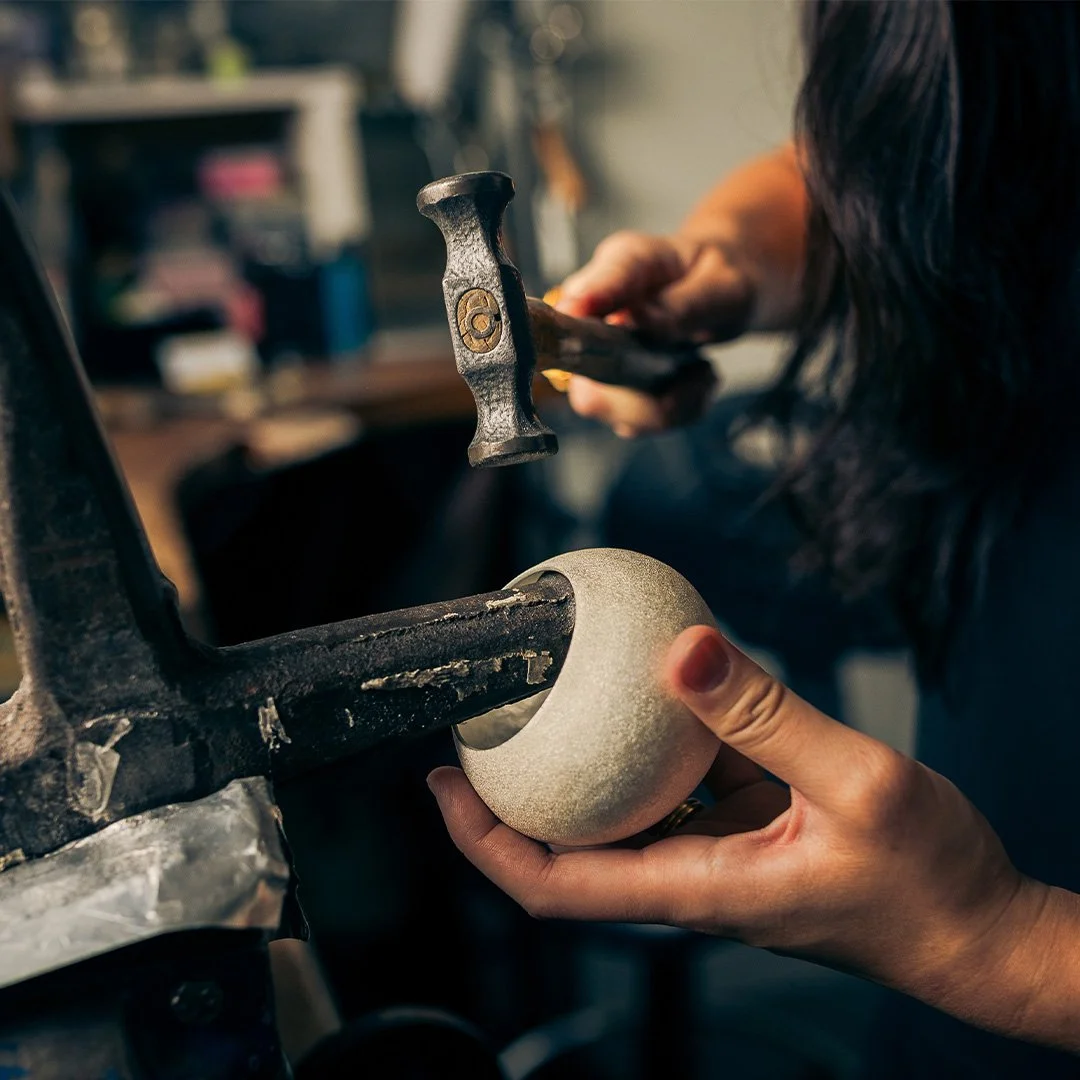
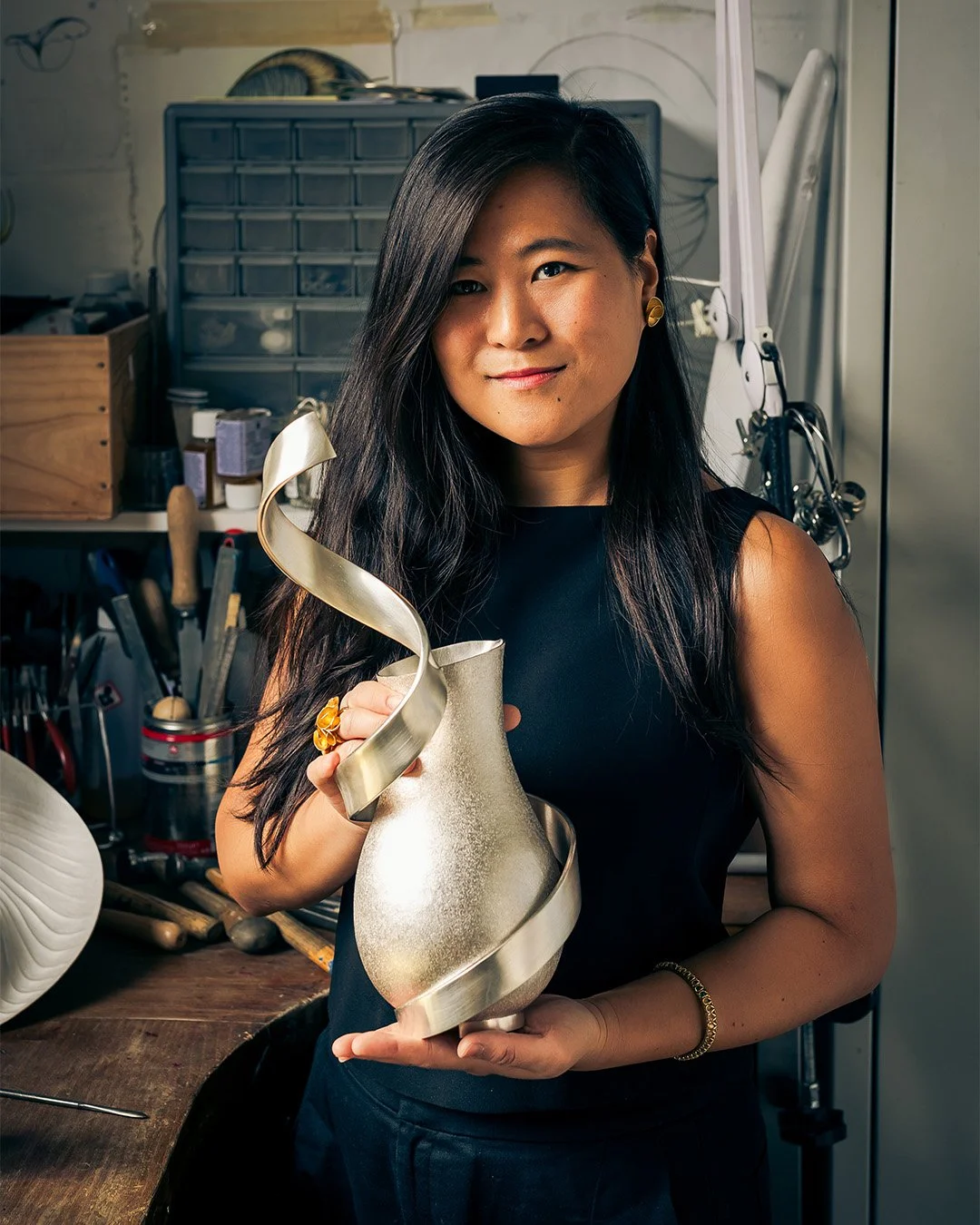
The experience made a lasting impression, encouraging her to embrace the “sculptural aspect” of silversmithing. Jessica hand raises her pieces in what is an intuitive process, “letting the metal speak for itself” to create organic shapes with a “fluidity and continuation of line”. She puts a sheet of silver on one of the steel formers or stakes she keeps under the bench in her bright London studio at the Goldsmiths’ Centre, hammering the silver to shape it. She then planishes the metal, gently tapping it with a flat hammer to remove any lumps and bumps, before concentrating on the detail. For this, she turns to either the technique of chasing and repoussé, using punches and hammers to create a pattern on the front of the metal, or she texturises the silver. The latter process involves hitting the metal with hammers whose heads she has scored to create dents that will translate into pattern on the silver.
Jessica has placed more emphasis on contrast of texture in her work in recent years, creating some pieces where colour takes a back seat to form and feel. She has also found a rough surface works best for keum-boo, the ancient technique that she first encountered on jewellery. She wanted to see if she could use it on a larger scale, and sourced helpful tips from YouTube videos. Lockdowns during the Covid pandemic gave her time to experiment; she used her electric stove at home to try out the fusion process on small pieces.
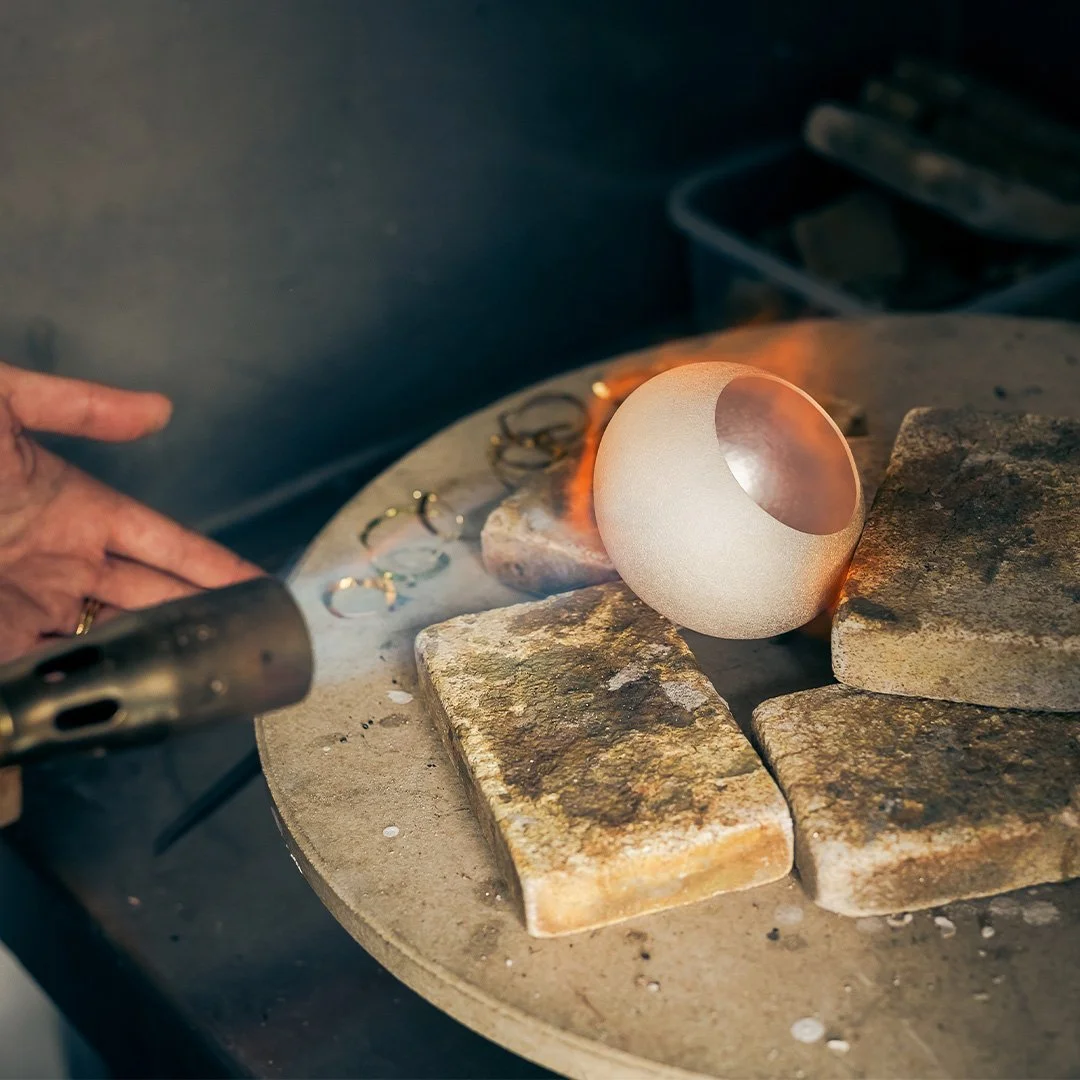
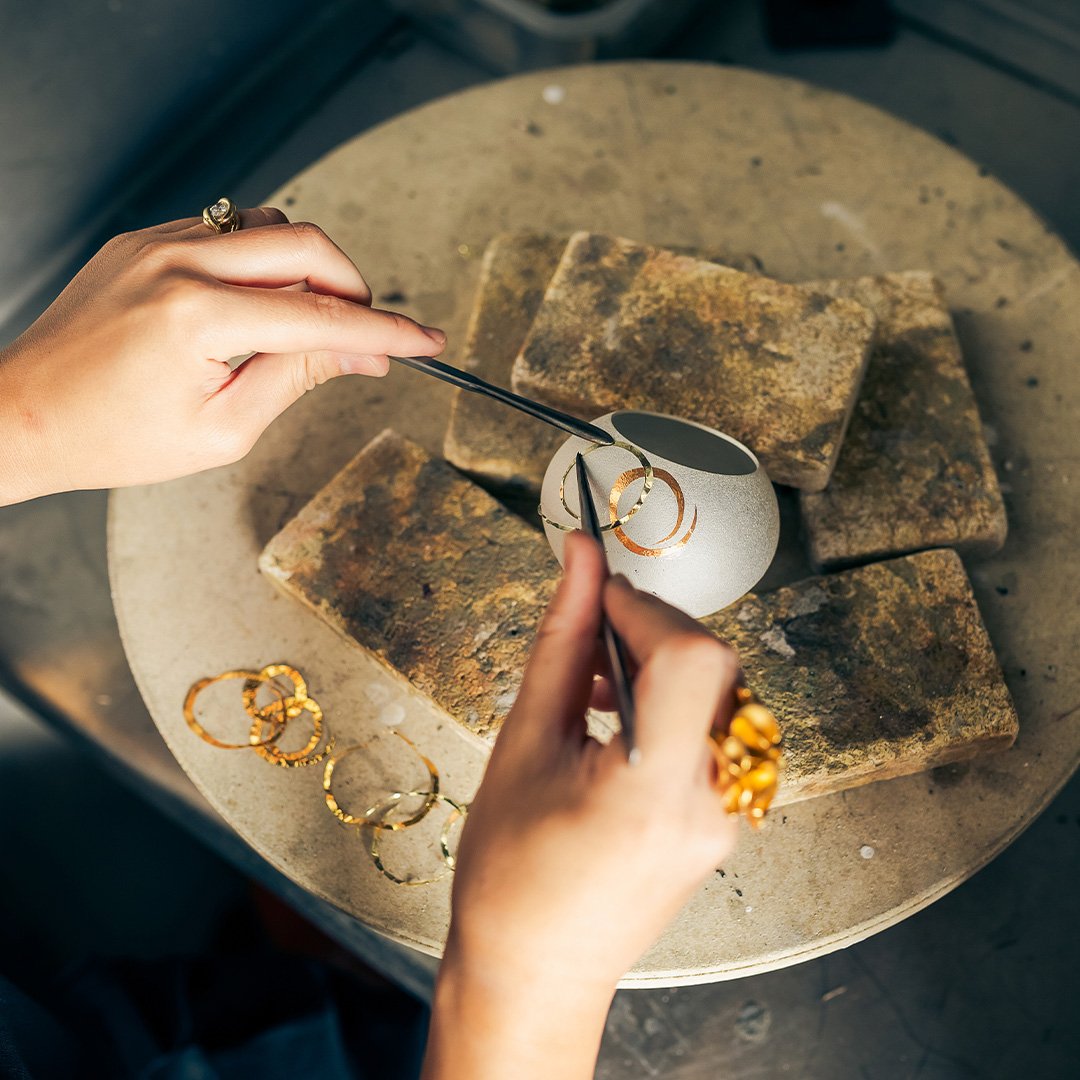
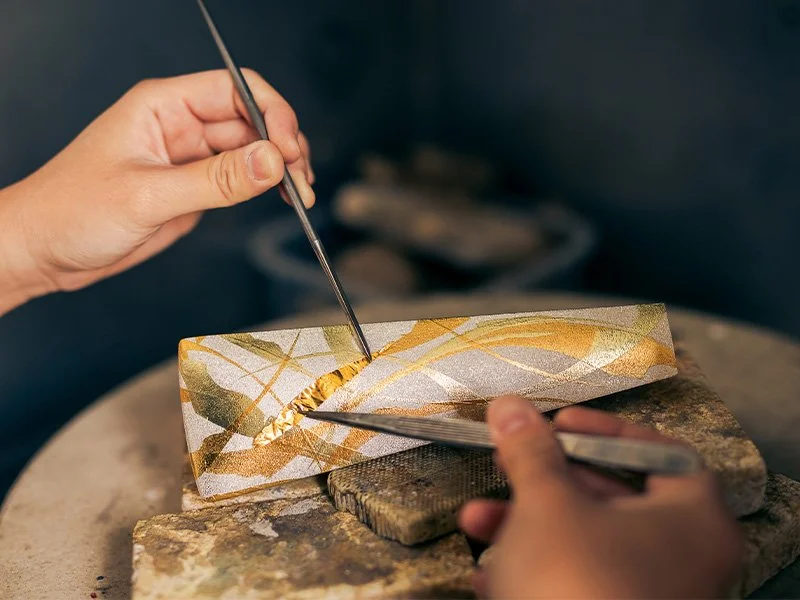
Back in her studio, she uses the corner hearth and a blow torch to heat a piece before pickling it in acid, a process she repeats to draw the fine silver within the sterling silver to the surface. She then adds delicate strips of gold foil with a pair of tweezers and a burnisher, fusing them to this white metal.
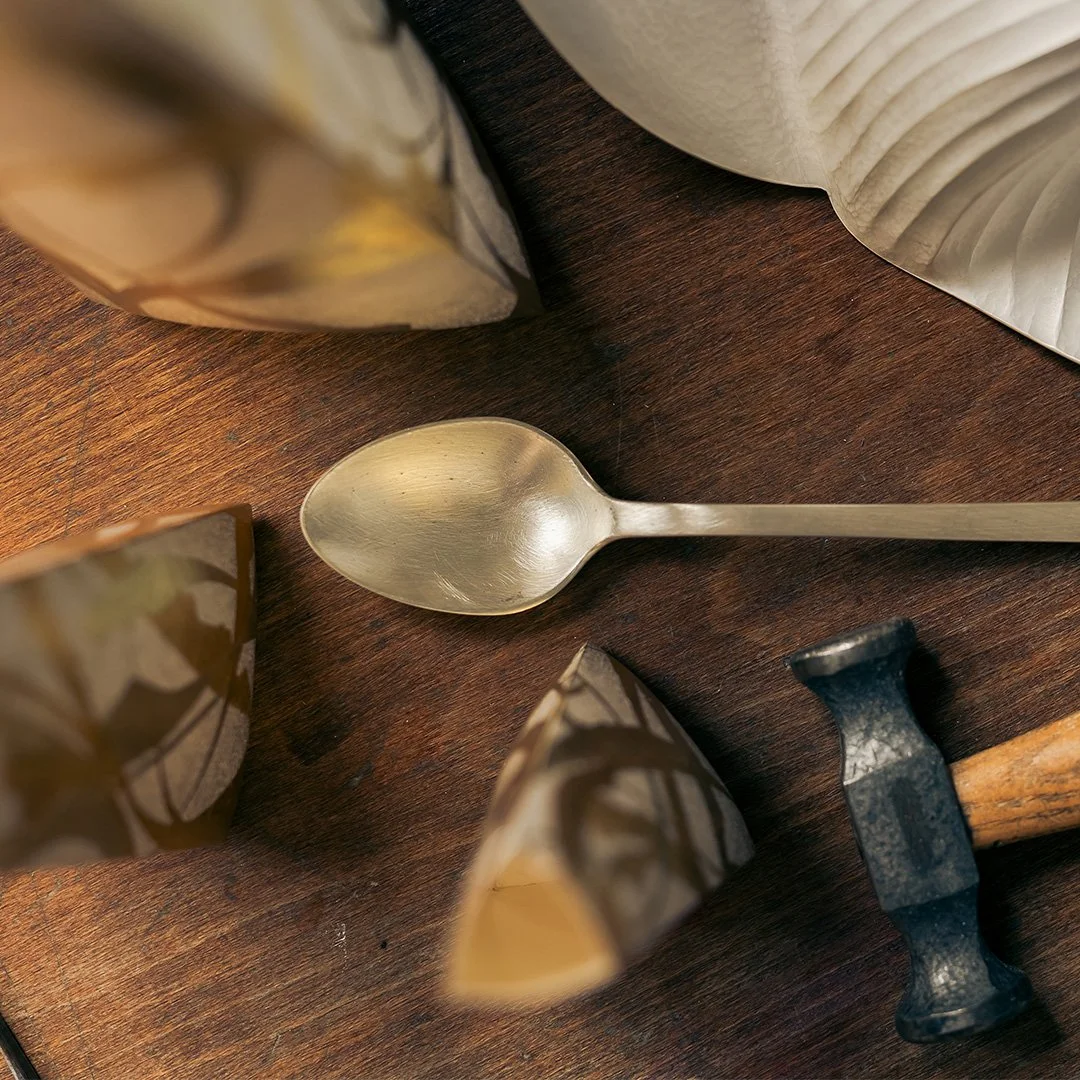
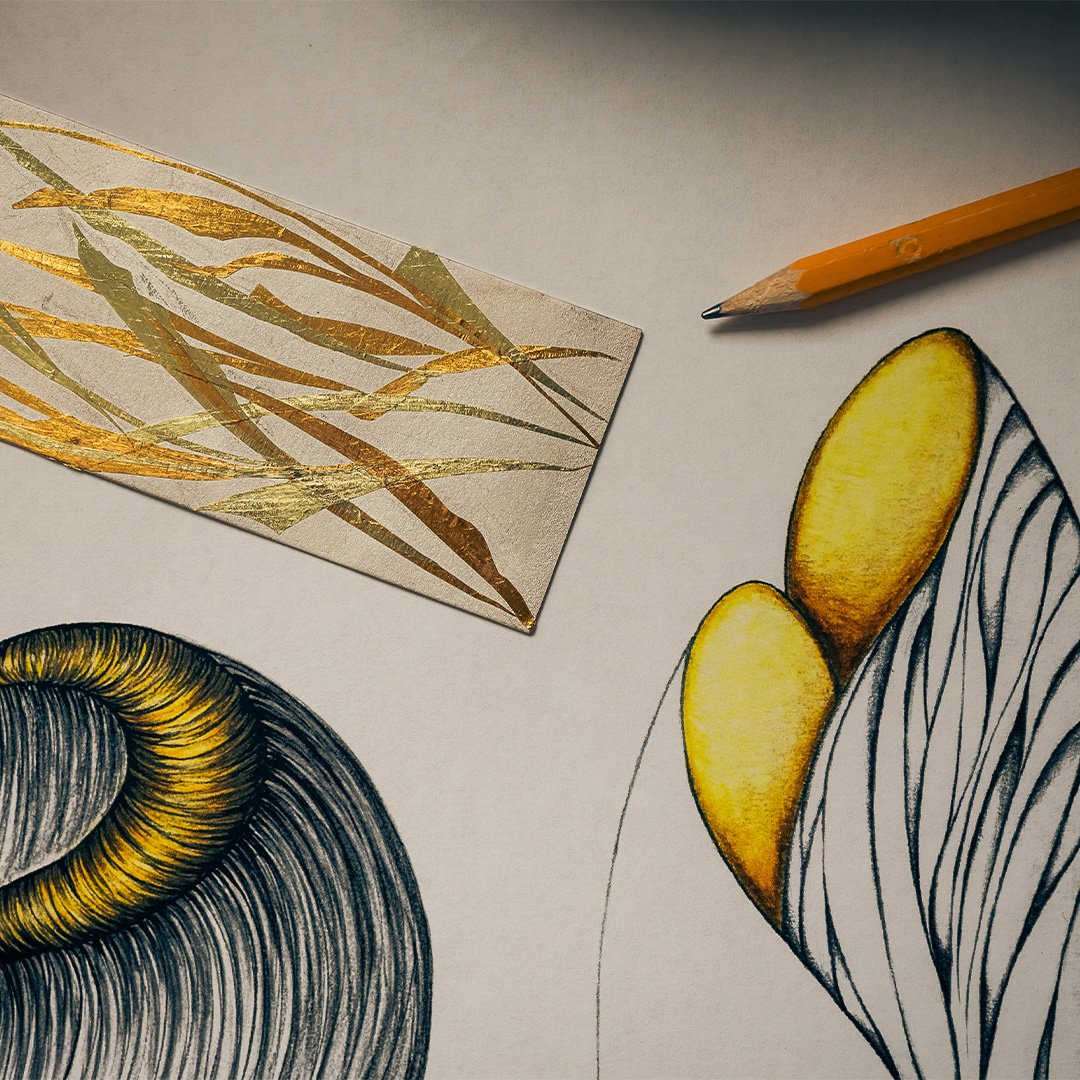
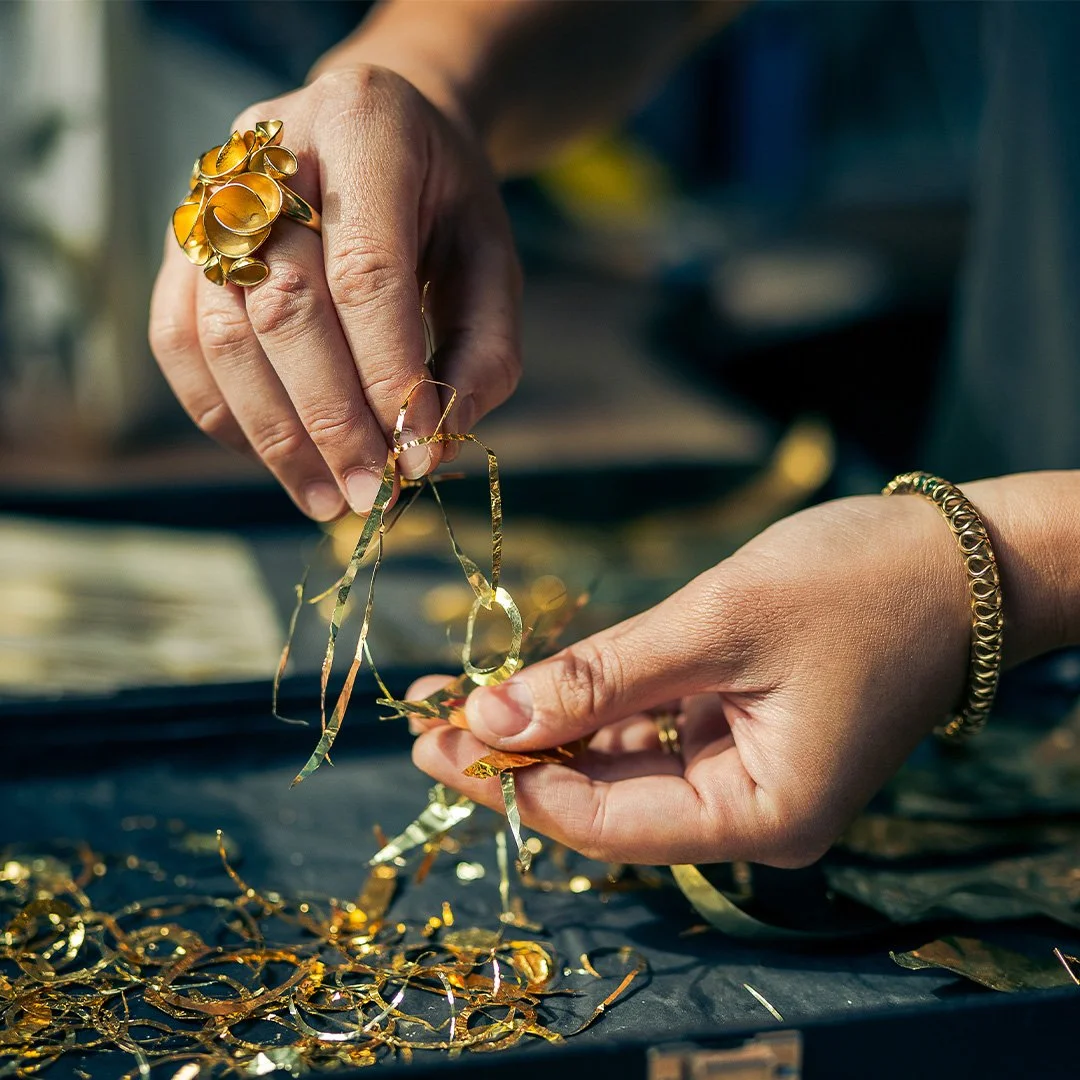
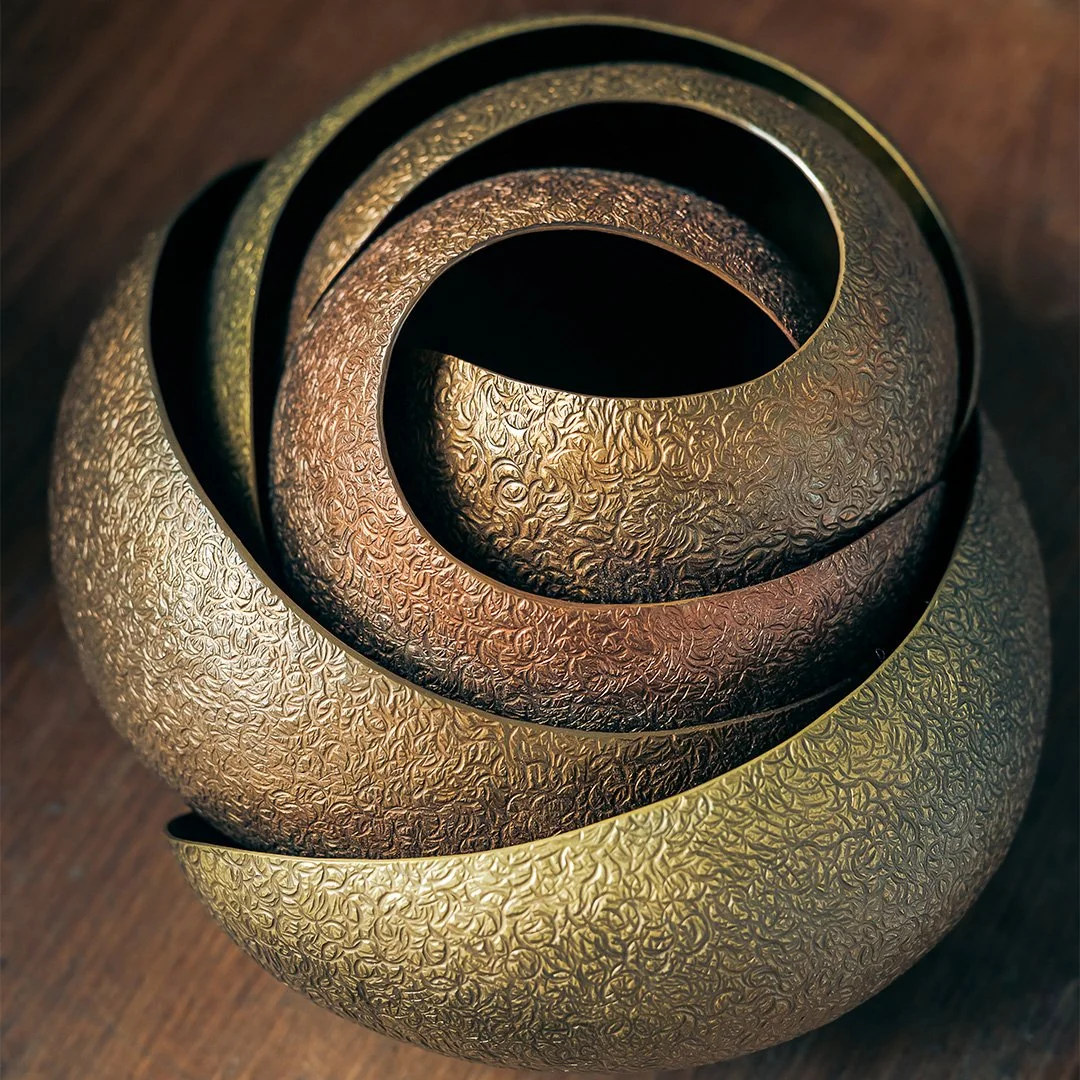
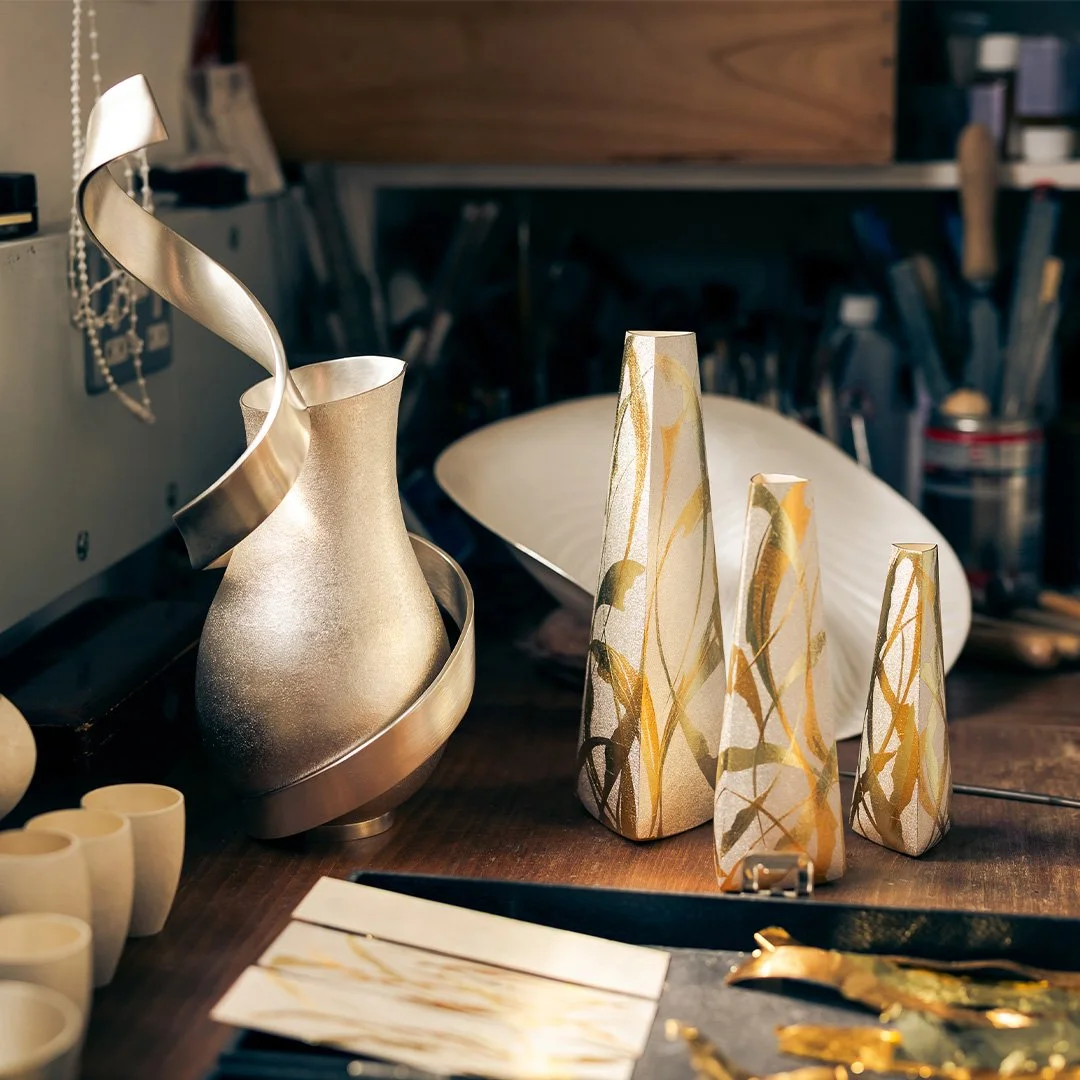
Jessica applies the gold in a similar way to a brushstroke, her style informed by lessons learnt from her father as a child. A keen hobbyist calligrapher, he would encourage her to perfect the flow of her lines when they painted together. “In Chinese calligraphy it’s about the energy and the continuation of one stroke,” she explains, adding that there needs to be weight and confidence in that stroke. Since childhood, therefore, she has been “obsessed with capturing the perfect line”. Her father, meanwhile, remains her “biggest supporter”.
She finds the process “hugely meditative”. “Once you get going with keum-boo, it's a bit like you fall into a trance almost,” she says. “You forget everything that's happening around you. It's the same feeling I got back in the day when I would paint.”
After applying her keum-boo decoration, Jessica might leave a piece white, heating and pickling it once more to make it bright. More frequently, however, she will apply Fairly Liquid with a brass brush to remove the fine powdery surface of the silver and to polish the gold. She burnishes the edges of a piece to make them shine.
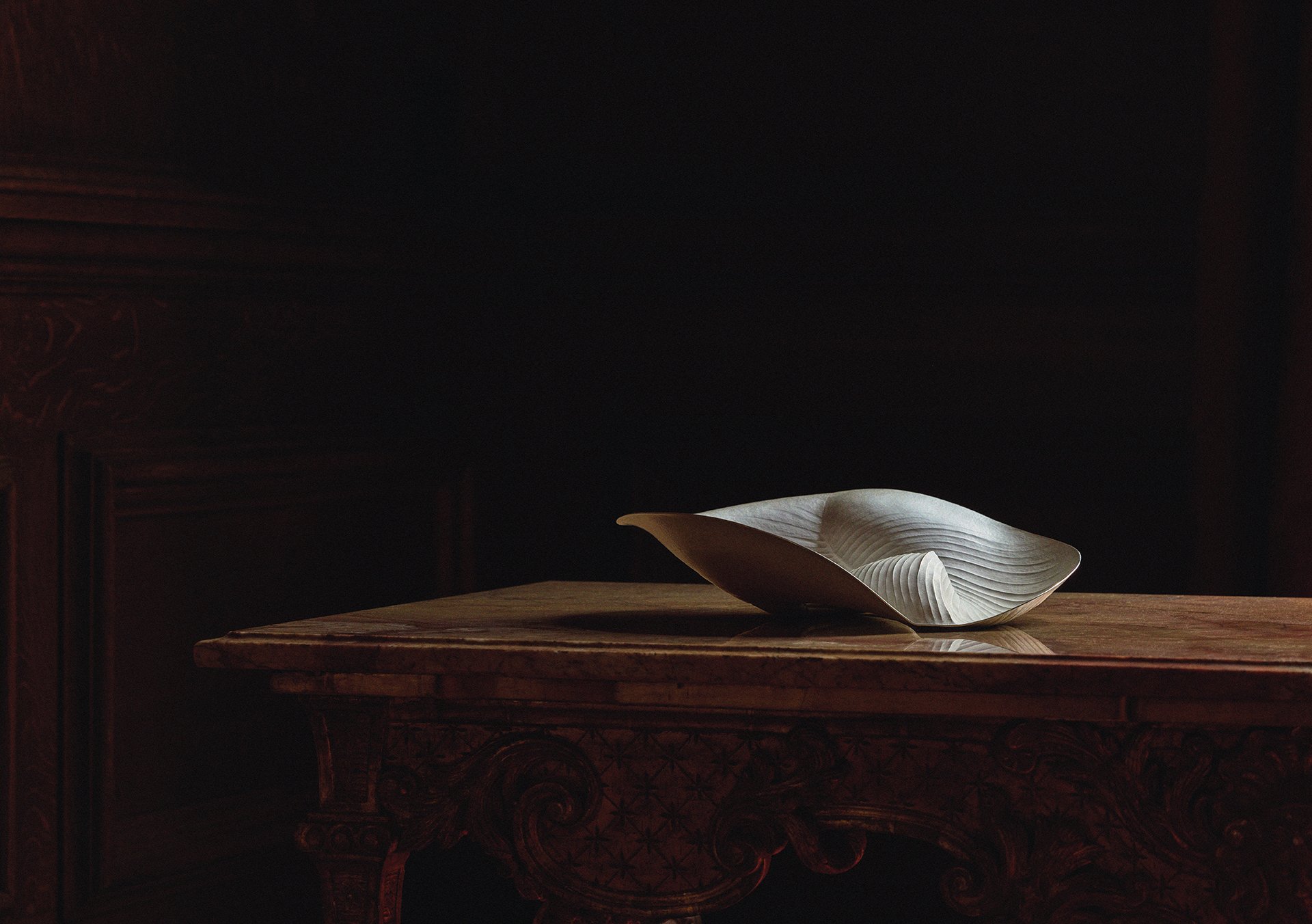
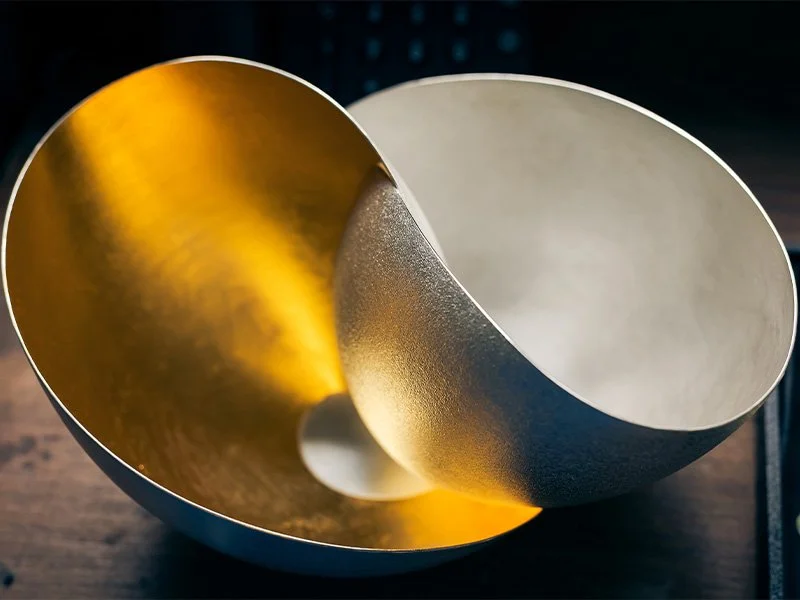
Amesiella by Jessica Jue, photography by Petr Krejci
Having focused on keum-boo in recent years, including for the Bridge Challenge Plate trophy she created for Henley Regatta, Jessica now wants to explore the sculptural side of her work more. At this year’s Goldsmiths’ Fair, she will present Amesiella, a large, sinuous and ridged silver dish. Named after an orchid, it is influenced by a floral shape.
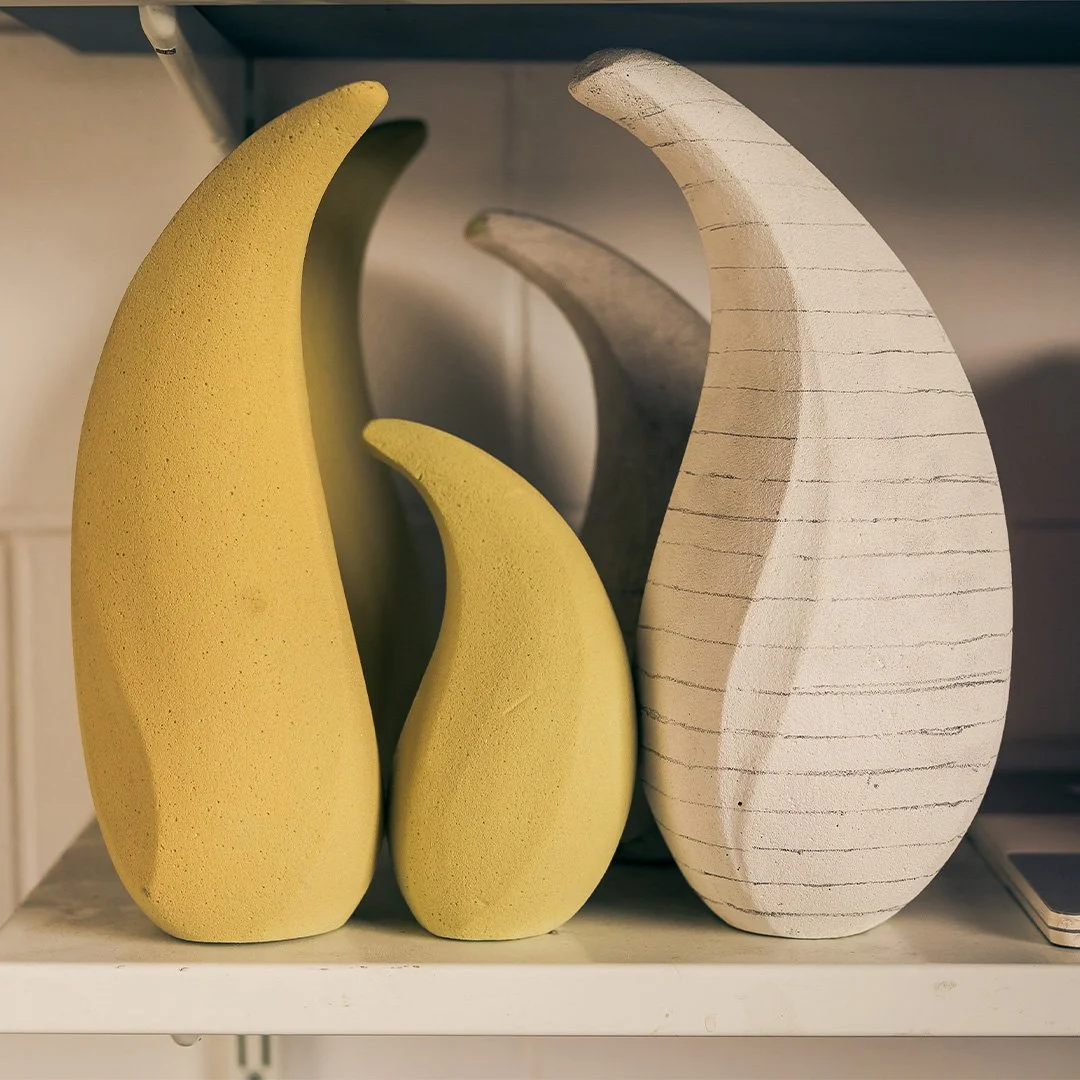
The natural world is the main inspiration for her designs, with a recent interest being the movement of plants, flowers and trees in the wind. She is also drawn to anything that has “an interesting line or a curve that is different from the norm”. But she will only have a vague idea for a piece before she begins. Despite her love of painting and drawing, Jessica tends not to do much sketching, although she might make a maquette in copper or clay. Instead, she often finds herself “jumping straight into” the silver.
She honed many of her metalworking skills through masterclasses during a postgraduate residential course at Bishopsland Educational Trust, along with time spent training in the workshops of veteran leading silversmiths Malcolm Appleby, Rod Kelly and Sheila McDonald. It was while she was at Bishopsland in 2017 that Jessica was accepted into her first Goldsmiths’ Fair, where sales success gave her the confidence that she could stand her ground in the industry.
She prepared for that event under the mentorship of fellow silversmith Angela Cork, with whom she later founded FIVE in 2021. This collective of a rotating roster of five contemporary silversmiths, initially formed for Collect art fair in London, pursues opportunities to show their work.
The pair recently collaborated on the Emberstone Vessels. Angela made the group of three precise, geometric pieces, with Jessica then adding her signature keum-boo decoration. “Most of my pieces are rather organic and flowing, whilst hers are completely structural and contemporary and minimal,” says Jessica. “So we thought actually having her shapes with my intertwined reed-like gold and texture would make a great contrast to the form.”
While better known for her silverware, Jessica also makes silver and gold-plated jewellery. Inspired by her part-time work for the goldsmith and jeweller Jacqueline Mina, she plans to launch a new fine jewellery range within the next year based on the concept of fusing platinum to gold, and vice versa. She thinks pushing her jewellery into finer materials, with the possibility to explore fusion of other metals, will bring “more of a design aesthetic and more of a creative voice” to this side of her work. It will also complement the painterly nature of her silverware.
Like all artists working in precious metals, Jessica has had to adapt to the recent price hikes. Following the initial shock, she has viewed the increase in the value of silver on the back of high industrial demand, fulled by the conductive metal’s use in the expanding artificial intelligence sector, as a positive development. “When I now speak to a lot of people, especially my clients, it feels like a much more current material,” she explains. “It has allowed me to speak about the material with more excitement and positivity.”
This excitement from the newly-appointed vice chair of Contemporary British Silversmiths, a members’ association, extends to the wider industry. Jessica thinks there is momentum building. “It feels like there are big changes to come,” she adds. And with her practice, too. She wants to “start pushing everything forward in a more ambitious direction”.
Written by Kate Youde | Photography of Jessica in her studio by Paul Read Photography