
The Scottish Crannog Centre – Iron Age skills for the modern world
In the summer of 2025 the Goldsmiths’ Foundation awarded the Scottish Crannog Centre’s a grant to support core staffing costs which are essential to maintaining its apprenticeship programmes and its development as a national centre of excellence for traditional vernacular skills. Ellie Broughton spoke to Chief Executive of the Scottish Crannog Centre, Mike Benson to find out what the Goldsmiths’ Foundation grant means to them.
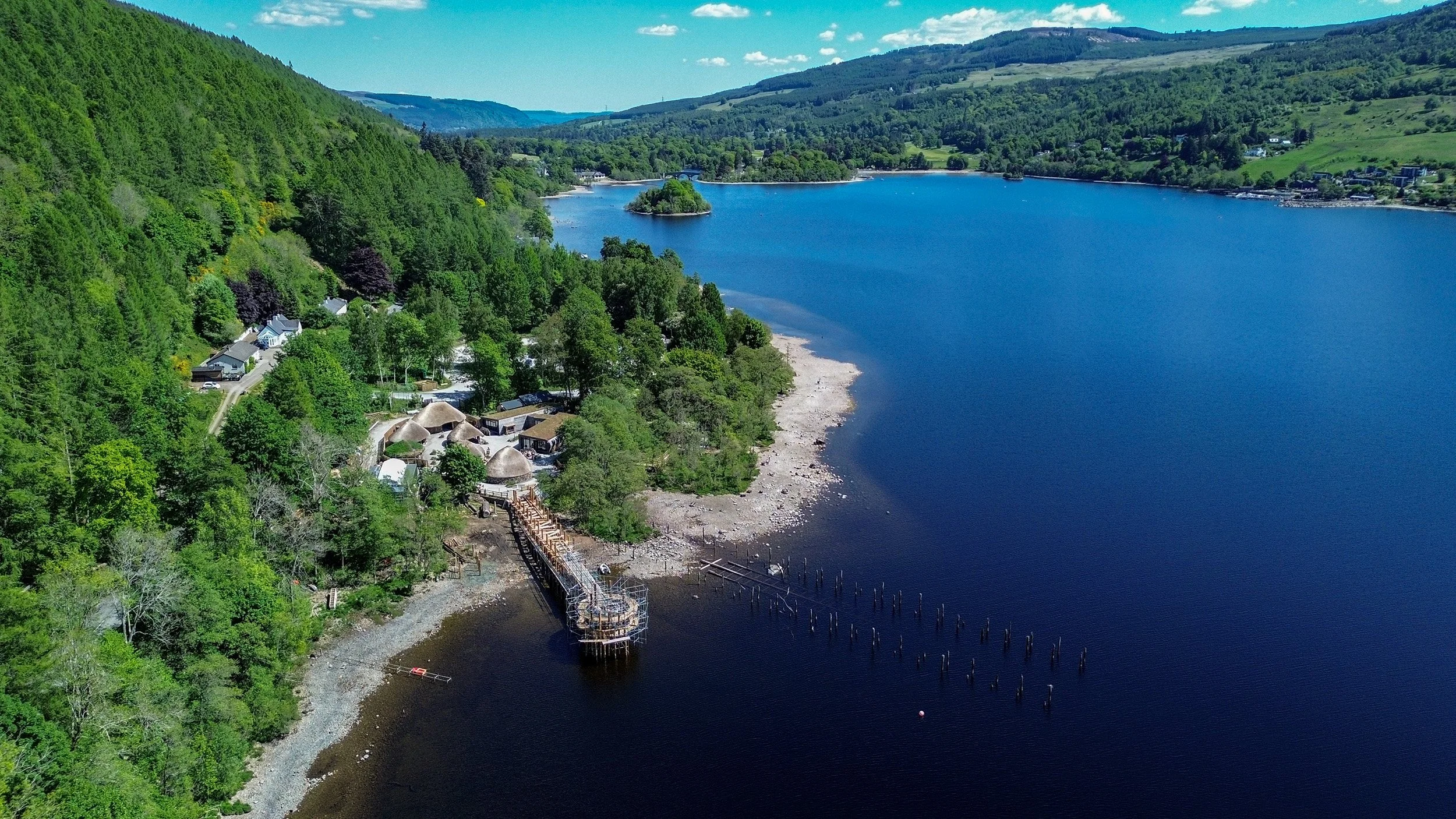
The Scottish Crannog Centre gives visitors the opportunity to immerse themselves in Iron Age village life on the shores of a loch in Perthshire, in the heart of Scotland, with more than 30,000 people visiting per year.
One Friday night just before midsummer in 2021, the Scottish Crannog Centre caught alight. In minutes, the hand-built roundhouse on the waters of Loch Tay burned down to blackened stake tips.
Mike Benson, Chief Executive of the centre, was still there the morning after. “On Saturday morning, I can remember even now, just sitting there thinking, ‘What are we going to do here?’ We've got nothing, and the thing was still smouldering... It sounds crass and easy to say, but I think we just knew we had to crack on.”
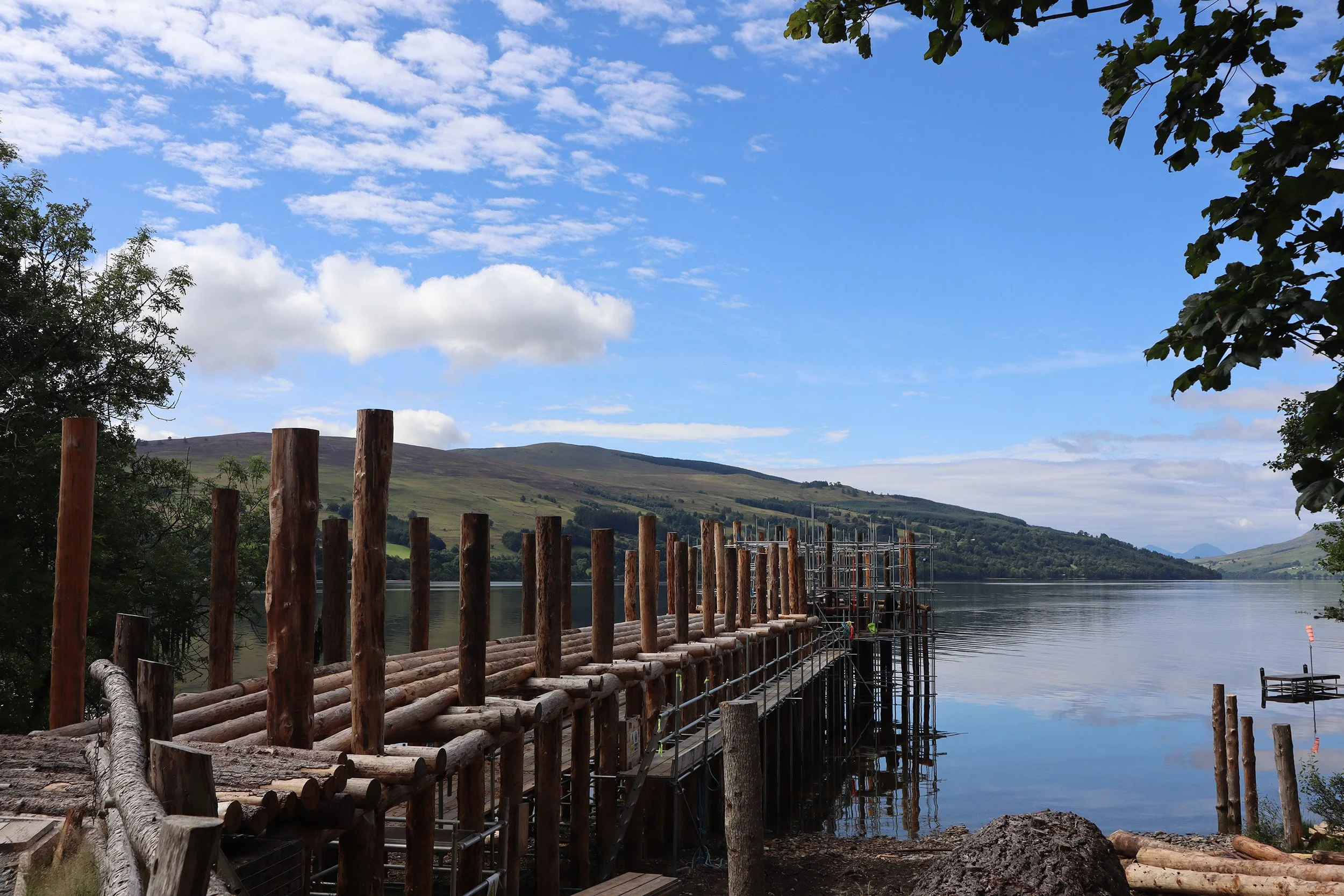
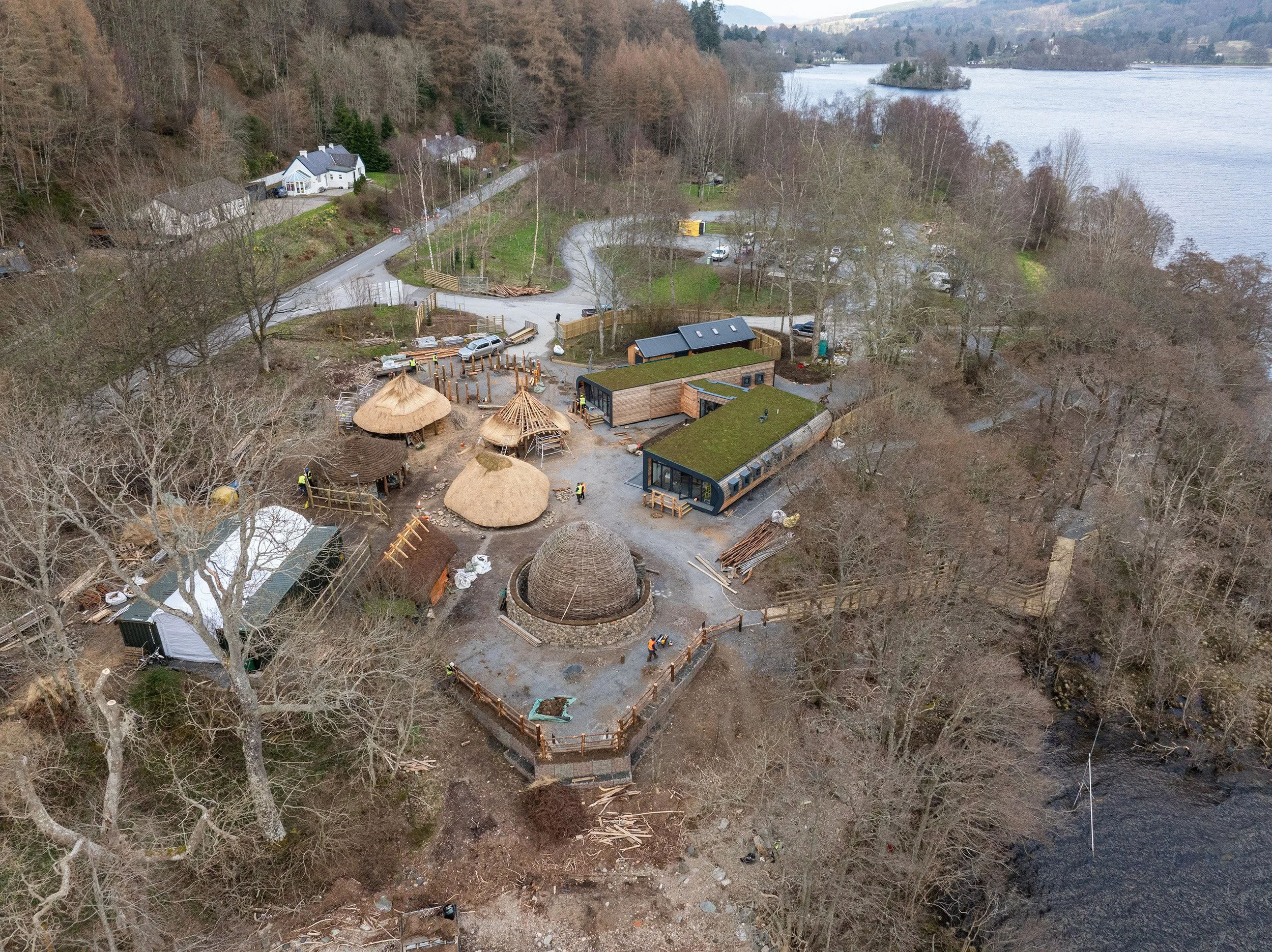
Four years later, hundreds of pairs of hands have built a new crannog using the same ancient techniques. On the far shore from the first site, its thatched roof and hazel-willow walls attract thousands of visitors a year to see something built from Europe’s oldest architectural principles.
But one of the challenges for those working at the Crannog Centre is connecting 21st-century audiences with prehistoric communities. Crannog-dwellers settled during the Iron Age over 2,000 years ago and left no written record of their lives.
So Mike and his colleagues use artefacts to bring past and present together. “We've got a butter dish here with little bits of butter from 2,500 years ago,” he says. “You're only 83 grandmothers away from these people.”
While Mike’s shorthand closes the gap intellectually, powerful emotions move some visitors as they connect with prehistoric communities.
“We have handmade pottery here that has got their fingerprints in, so we let the visitor touch the fingerprint,” he says. “Sometimes people burst into tears, and that's nothing to do with the Iron Age, or the Stone Age.”
Rather than focusing on facts, dates and sources, Mike’s team prefers to talk about ‘the universals of home’: a place where everyone in the community played a key role.
Focusing on ‘home’ and home-making also connects visitors with the way crannog communities used what was around. After all, the centre is not just a tourist attraction; it’s also a teaching environment for young people on apprenticeships in vernacular crafts like green woodwork, thatching, and dry stone and turf walling.
Toby, 23, is an apprentice on the green woodworking programme. His apprenticeship at the Crannog Centre gives him a unique career experience, he says: “Not everyone can say, ‘We helped build this 2,500-year-old structure.”
His confidence has grown during apprenticeships. “Mike likes to tell a story of my first day, and I couldn't even say my own name in front of the staff,” Toby says.
Unlike modern woodworking, green woodworking relies a lot more on handiwork, Toby says, which has changed his attitude to work. “For me it’s quite important now to work ‘hands on’ and have a deeper connection,” Toby says. “It's definitely helped me decide what I want to do. I never imagined myself doing an outdoorsy type of job. I thought I wanted to do something with computers, so it's a big, big change.”
The delivery of impactful and inclusive educational experiences, training and skills development in traditional crafts and creating lasting social impact are at the heart of the organisation, which operates as an Scottish Qualifications Authority (SQA) centre delivering apprenticeship programmes for young people with barriers to employment, and is focused on creating training opportunities for young people in one of Scotland's most challenged areas for access to education.
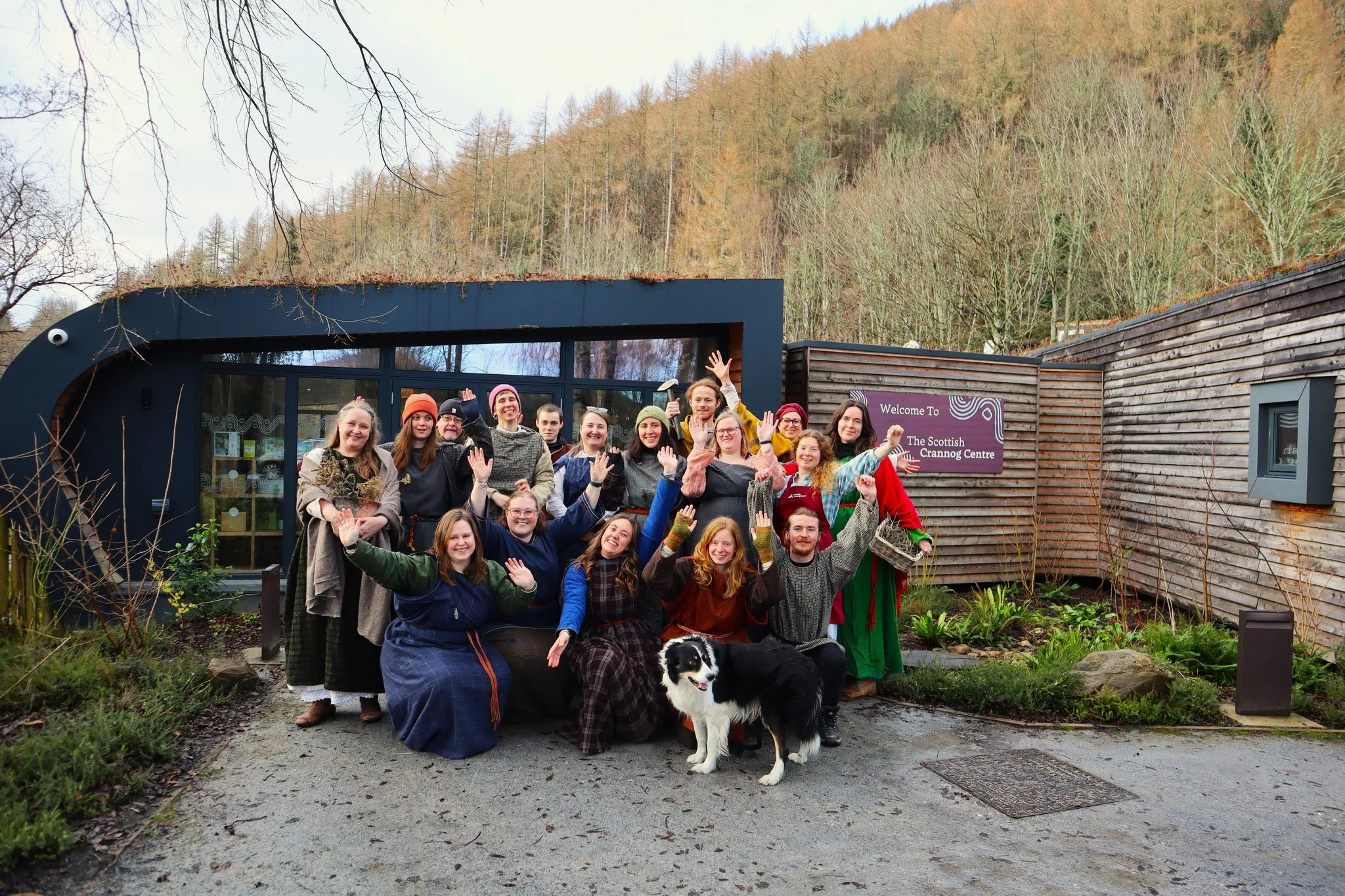
The grant from the Goldsmiths’ Foundation is supporting the Scottish Crannog Centre’s core staffing costs which are essential to maintaining its apprenticeship programmes and its development as a national centre of excellence for traditional vernacular skills.
“We've had a few bumps in the road to say the least, and it was just unbelievable when we got the news - having somebody like the Goldsmiths’ Foundation believing in us put the wind back into our sails.” – Mike Benson, Chief Executive of The Scottish Crannog Centre
Written by Ellie Broughton for the Goldsmiths’ Foundation | Images copyright and used with kind permission of The Scottish Crannog Centre