
“Pottery is therapeutic because it creates a sense of childlike freedom that we often lack as adults. If something goes wrong, you can just mush the clay up and start again. People might think, if I can do this with clay, perhaps I could start again with a relationship or an approach.” – For the Goldsmiths’ Foundation, writer Fiona Thompson journeyed to Govanhill Baths Community Trust in Glasgow, to find out how the Foundation’s grant is helping this community focused ceramics workshop to share and develop craft skills through the healing power of clay.
The Deep End is hidden away. To find it, walk down the broad streets of Govanhill in Glasgow, lined with buildings in ‘honey and roses’ sandstone. Go past the myriad cafes and greengrocers until you come to the bustling World Foods store. Walk down the ramp past the community mushroom farm, and you’re there.
Previously, this building was an undertaker’s, a motorcycle shop and a snooker hall. Today, it’s home to The Deep End, a community arts and wellbeing space run by Govanhill Baths Community Trust.
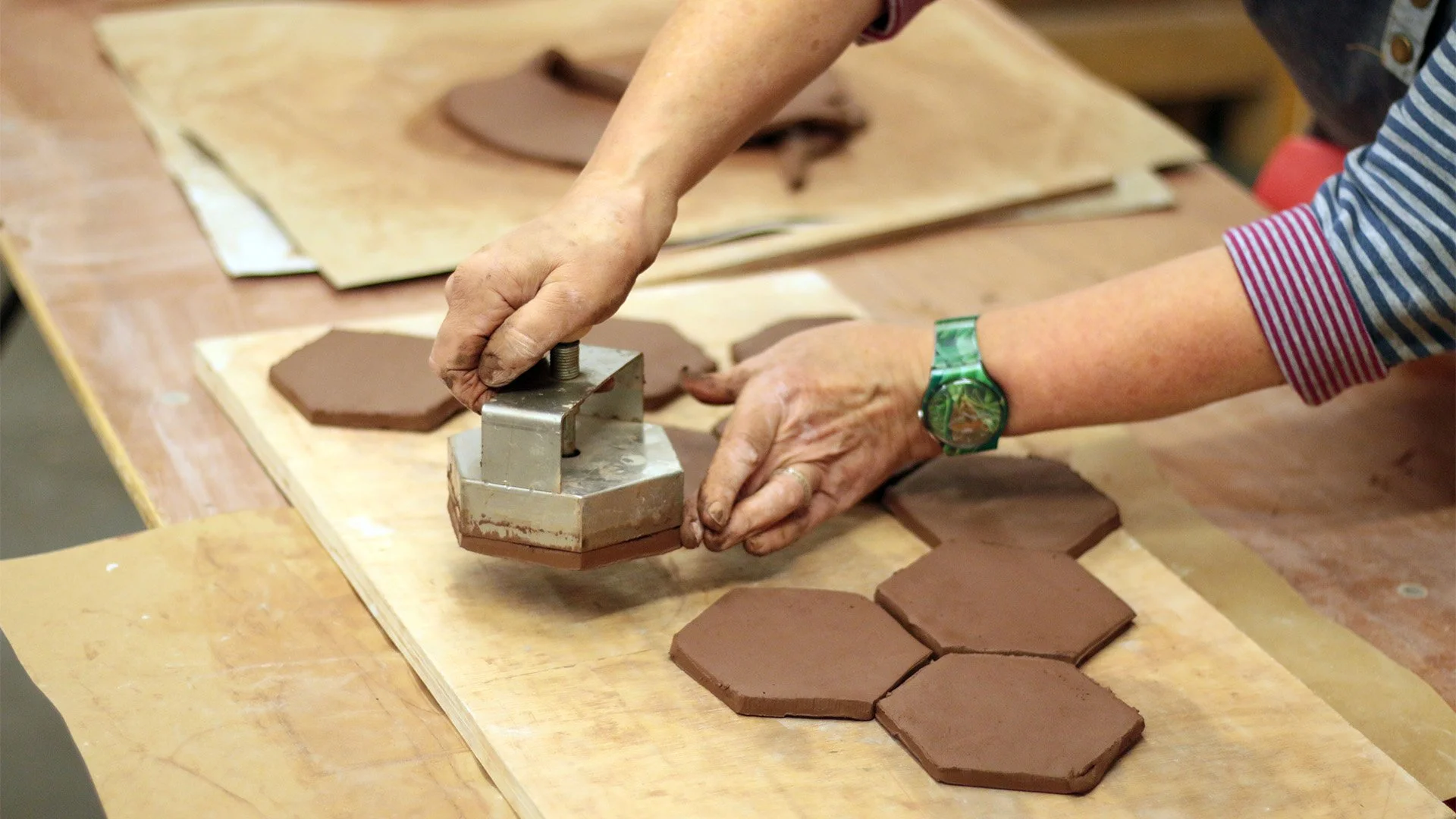
At the end of the corridor, you’ll find Govanhill Baths Ceramics, which has received two Goldsmiths’ Foundation grants of £50,000.
In the main workshop, around a dozen people are gathered for a regular Pottery Club session. Frank’s hand-building a vase inspired by Greek masks and the Odyssey. Kathleen, who’s known for her Hockney-style ceramic cats, is working on sculpted figures. Diane’s preparing a pot to try out a new raku technique, while Laura’s creating a growing colony of clay puffins.
Nearby, Danielle, who came up with the idea for a communal tablescape of pottery pieces, is deep in conversation about glazes and colour themes.
Nour says: “I’ve got my own wheel at home, but I like coming here. I just love the sense of community. I like getting inspiration from everybody else and having a chat while I’m working.”
If you ever want a handmade mug, Nour’s your woman. Her mother was recently treated for a rare form of leukaemia and asked Nour to make some mugs as gifts for the doctors and nurses. Nour was pregnant at the time and still managed to produce 30 mugs.
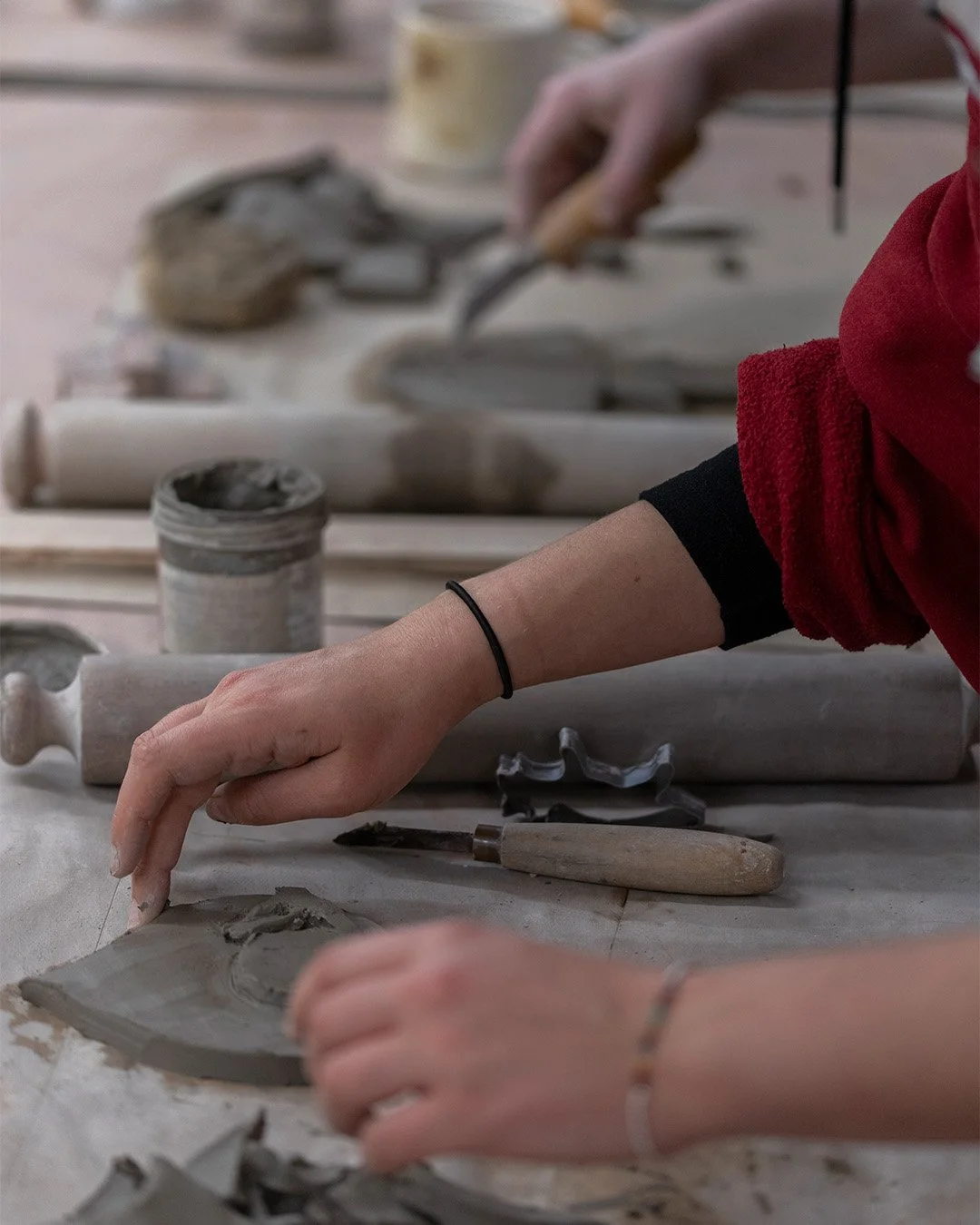
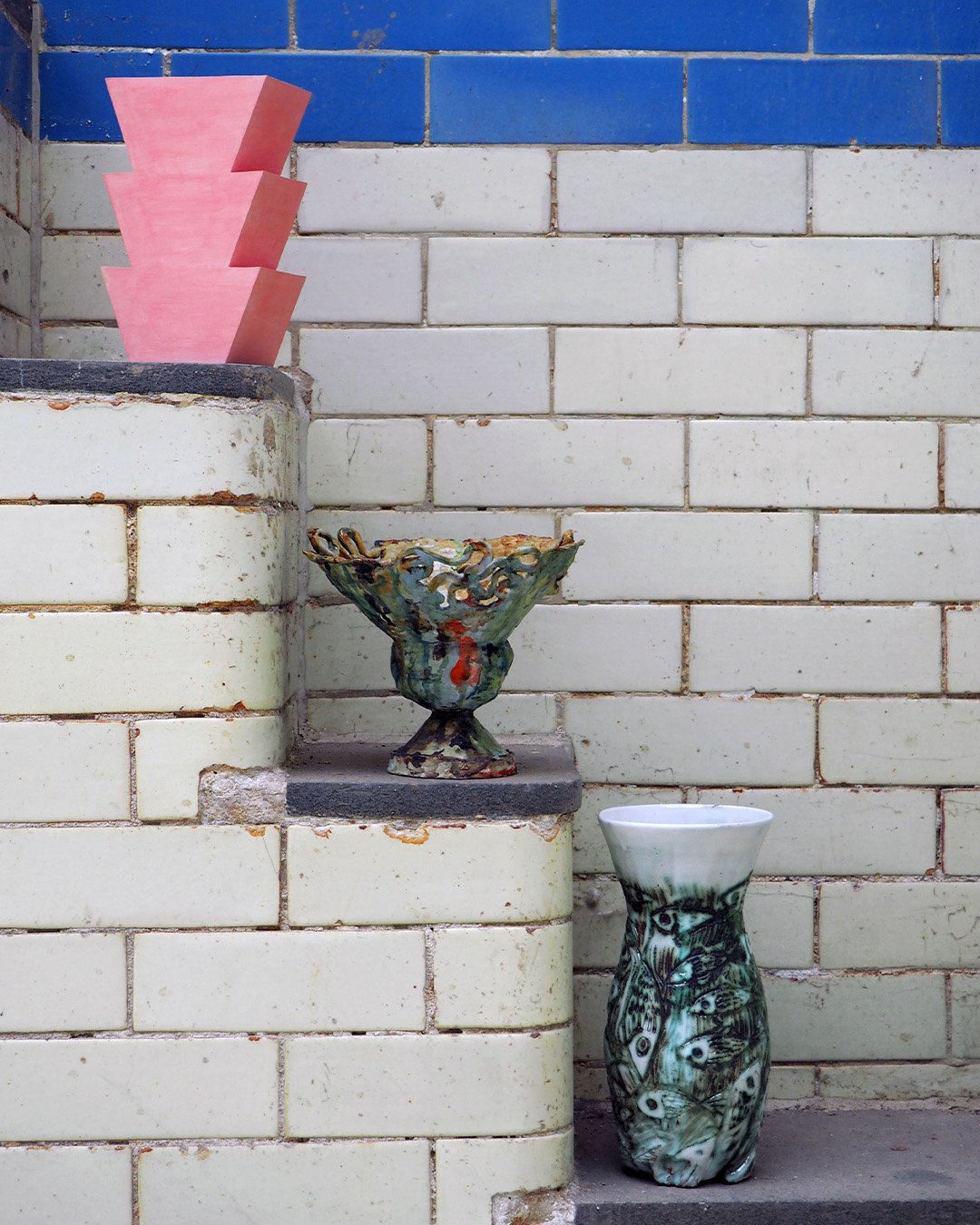
In the 10 years since Govanhill Baths Ceramics opened, hundreds of people have turned to clay to mark important moments in their lives. None of this would have been possible without an extraordinary community protest 25 years ago.
In 2001, Glasgow City Council threatened to close Govanhill Baths, the Edwardian baths and swimming pool half a mile away from The Deep End. Local people formed a ‘Save our Pool’ campaign and occupied the building for 147 days, the longest sit-in in UK history. The protest kept the baths out of developers’ hands.
In 2004, the Govanhill Baths Community Trust took over the building and now supports over 23,000 people a year with projects including a food bank, LGBTQI+ gardening workshops and a drop-in youth club. In 2019, the Trust began refurbishing the baths and is reopening the building in stages.
Frances Diver, the Glasgow School of Art graduate who founded the ceramics programme, has been part of this community since the days of Save our Pool.
“Ceramics at Govanhill Baths began as a pop-up with some free community wellbeing classes in 2016,” she explains. “Participants wanted to make more pots so Pottery Club was born.” Everything grew from there. The workshop now attracts 60 people a week and 18 people have gone on to become self-employed potters.
Paid classes subsidise other offerings, including a children’s club, to allow as many people as possible to discover the joys of pottery. This is more important than ever in Govanhill, which is one of Scotland’s most diverse and economically deprived neighbourhoods.
“We want to provide world class services to people in a working-class community who wouldn’t necessarily be able to access activities like pottery or ceramics,” says Fatima Uygun, CEO of the Govanhill Baths Community Trust.
Govanhill Baths Ceramics also partners with charities related to domestic violence, cancer and men’s health. Frances adds: “We aim to be affordable, accessible and accepting. Everyone can find their space here.”
Many say it’s healing to work with clay alongside others.
That’s the case for Rosann, who found that the club helped during her recovery from cancer. As a Glasgow School of Art graduate who studied with the renowned ceramicist Alex Leckie, she’s one of the most experienced potters in the group. “Being in this atmosphere is socially and mentally very cathartic,” she says.
The club has also been supportive for Christopher. “I’ve had long periods of depression,” he says, “and Pottery Club is a safe, rewarding place to come. Everyone’s doing their own thing, but there’s a feeling of community.”
Christopher was recently appointed as an intern, supported by the Goldsmiths’ grant. “He was the outstanding candidate,” says Frances. “We hope he’ll thrive, given his organisational and practical capabilities.”
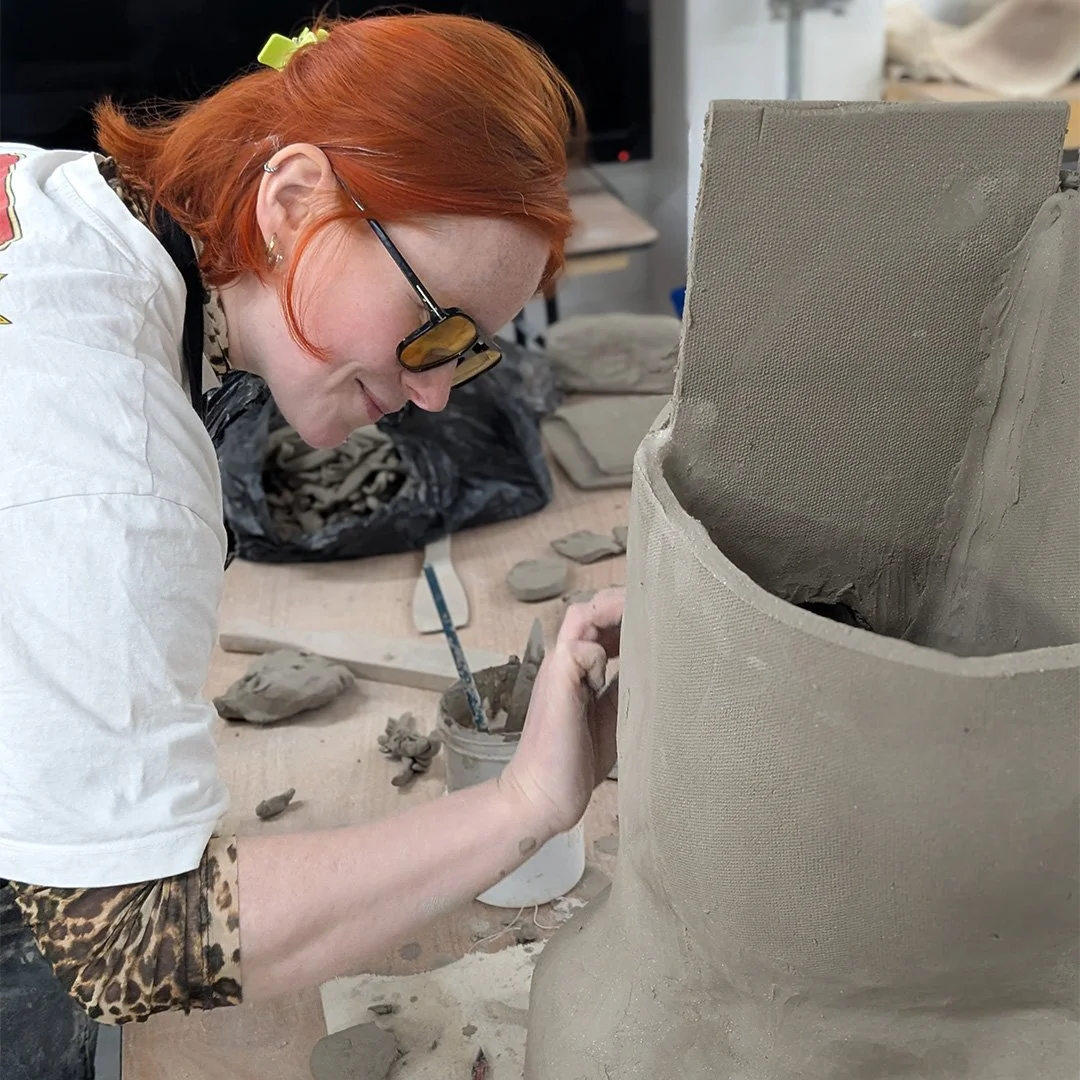
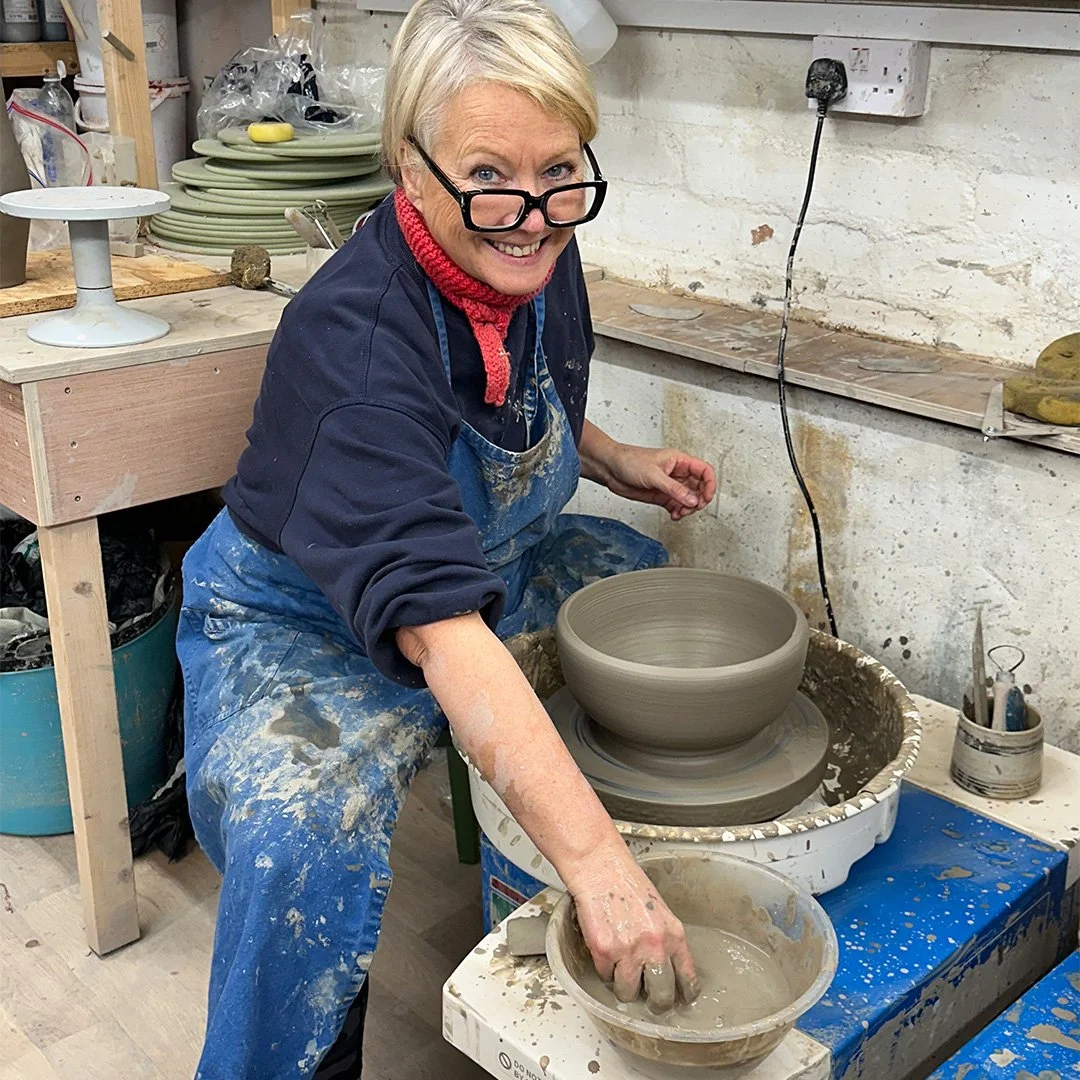
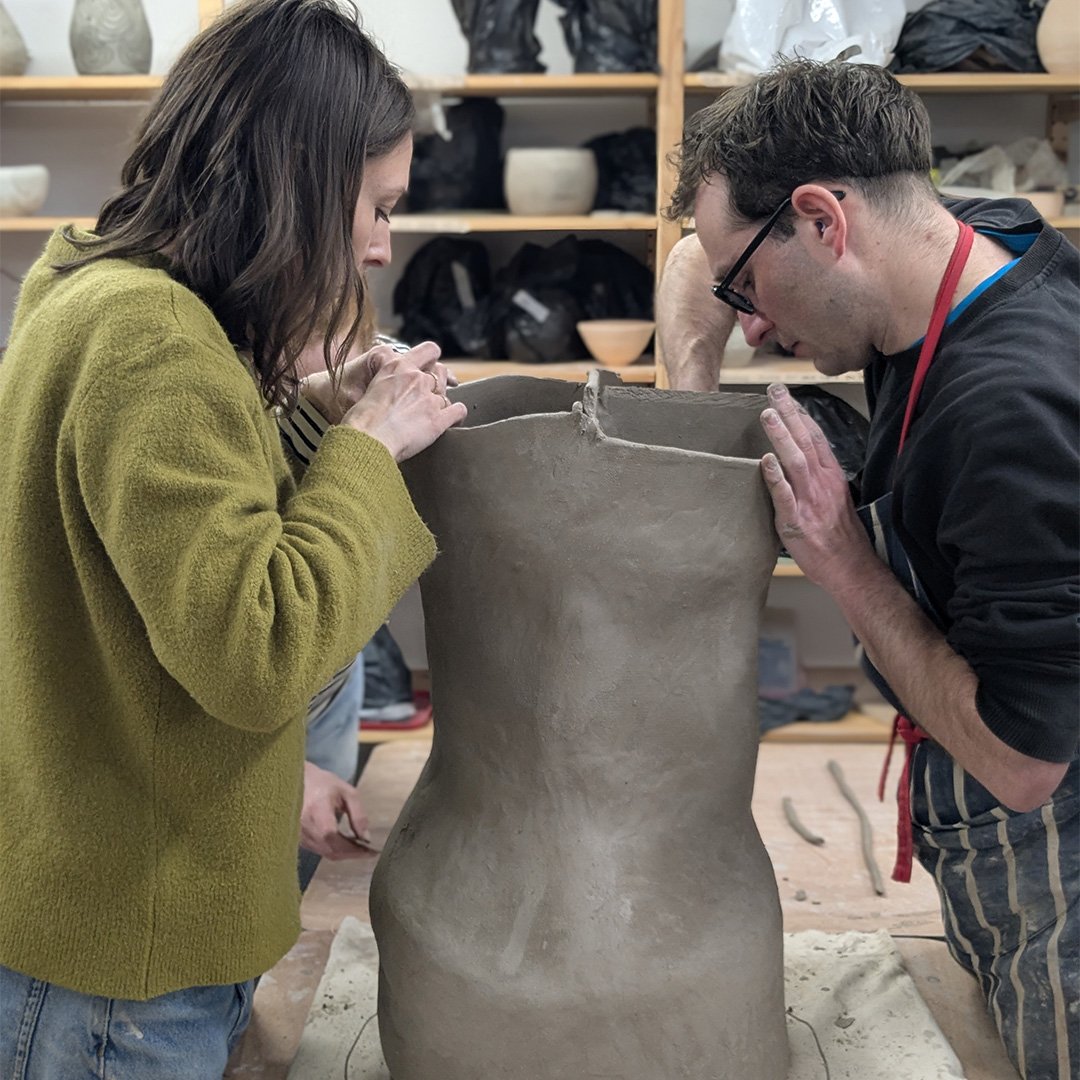
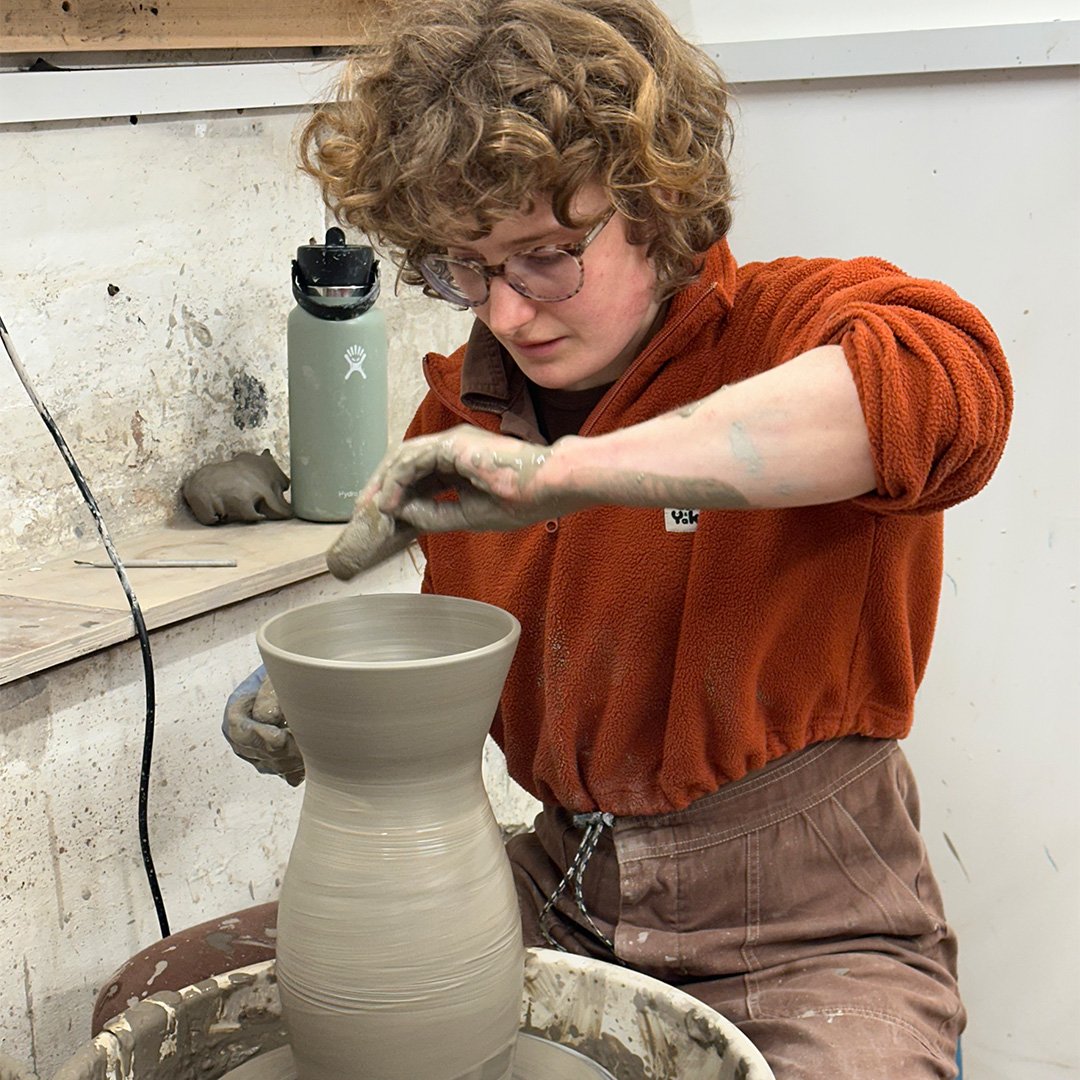
For Pottery Club members, clay emerges as a powerful medium that can carry, provoke and transform emotions.
“Working with clay is weirdly relaxing and chill,” says Shuna, who’s painting a bisque woodland creature. “When you’re thinking with your hands, you plug into a different part of your brain. You have to slow down and concentrate. You can’t rush it.”
Paula, who’s progressed from attending a beginner’s class to becoming a full-time ceramicist, adds: “Pottery is therapeutic because it creates a sense of childlike freedom that we often lack as adults. If something goes wrong, you can just mush the clay up and start again. People might think, if I can do this with clay, perhaps I could start again with a relationship or an approach.”
Ceramics clearly support wellbeing. But there’s much more to it than that. Govanhill Baths Ceramics is one of the few places in the country that’s keeping the craft alive. “No arts schools in Scotland teach ceramics to degree level anymore,” says Frances, “and that’s a massive loss. That’s why the Goldsmiths’ grant is so important.”
As well as free pottery sessions for under-represented communities, the Goldsmiths’ Foundation’s grants have funded 10 masterclasses for 100 ceramicists, including a session with Dave Jones, Scotland’s only accredited kintsugi practitioner. The grants also pay for two trainee interns: Christopher and Anney.
Anney explains what this means for her. “The nearest place to study ceramics now is Belfast. It’s been incredible to be here and learn about everything that makes a studio work, from using kilns to reclaiming clay.”
Michelle O’Brien, Director of the Goldsmiths’ Foundation, comments: "Govanhill proves that technical excellence and open access aren't a trade-off. This is a working-class neighbourhood where people are learning craft to a professional standard and going on to make a living from it. That's what we want our funding to make possible."
At the end of the Pottery Club session, plans are coming together for ‘At My Table’, the communal tablescape of pottery pieces to be auctioned in aid of the Trust. Here in Govanhill, at least, the future of ceramics is in safe, clay-spattered hands.
Written by Fiona Thompson | Photography credited to Govanhill Baths Community Trust